
Dentist Referral Resources
Dental concerns and jaw-muscle symptoms sometimes overlap. NeuroBeauty provides a local physician referral option for carefully selected patients when clenching, grinding, masseter overactivity, or another facial neuromuscular pattern may warrant medical evaluation.
All consultations and treatments are performed by Negar Sodeifi, MD, a dual board-certified neurologist with experience in therapeutic botulinum toxin treatment and facial neuromuscular anatomy. A referral begins with an evaluation; treatment is never assumed.
Focused physician review for selected jaw-muscle and facial neuromuscular concerns in Walnut Creek.

For referring dentists
Use this page when dental findings suggest that a jaw-muscle or facial neuromuscular component may be relevant. The referral packet explains NeuroBeauty’s focused Botox review, common referral scenarios, and how to share patient-facing resources.

For Dentists and Patients
For patients referred by a dentist
A dental referral does not mean Botox is automatically recommended. If botulinum toxin may be considered, Dr. Sodeifi provides a focused review of the proposed injection target, relevant history, safety, and candidacy. It is not a comprehensive dental or TMD evaluation.

When a Referral May Be Appropriate
A dentist may identify dental wear, clenching, grinding, muscle tenderness, or other findings suggesting that more than one contributor may be involved. NeuroBeauty can provide a focused physician review when a jaw-muscle or facial neuromuscular component may be relevant to a possible injection plan.
Jaw Clenching or Bruxism
For selected patients with persistent clenching or grinding, particularly when overactive chewing muscles may be contributing to jaw fatigue, muscle soreness, or dental strain.
Masticatory Muscle Overactivity
For patients with prominent or tender masseter muscles, muscle-driven jaw tension, or suspected overactivity involving the muscles of mastication.
Selected Facial Neuromuscular Concerns
For patients whose dental visit raises concern about involuntary facial movement, facial muscle overactivity, asymmetry, or another pattern that may benefit from physician assessment.
The focused review helps determine whether a proposed injection fits the concern. Treatment may not be recommended if the pattern does not appear muscle-driven, another evaluation should come first, or the risks and limitations outweigh the likely benefit.
NeuroBeauty’s role is limited to focused review and, when appropriate, physician-performed injections for selected muscle-related concerns. Comprehensive dental evaluation, tooth-wear management, oral appliances, bite-related care, dental infection, structural joint assessment, and other oral-health treatment remain with the appropriate dental or oral-health clinician.
Botulinum toxin acts on muscle activity. It does not repair the temporomandibular joint, reposition a displaced disc, correct a bite problem, restore damaged teeth, or address every cause of jaw or facial pain.
Clear Scope. Coordinated Care.
Consider dental, oral and maxillofacial, urgent, or other medical evaluation first when symptoms include:
Acute tooth pain, swelling, or suspected infection
Recent trauma or possible fracture
Jaw locking or significantly limited opening
Pain centered primarily within the joint
A new bite change or suspected structural problem
Progressive neurologic symptoms or another urgent concern
If coordination would help, NeuroBeauty can communicate relevant findings with the referring clinician after obtaining the patient’s authorization and using an appropriate secure process. Do not send patient details through an ordinary website contact form or unencrypted email.
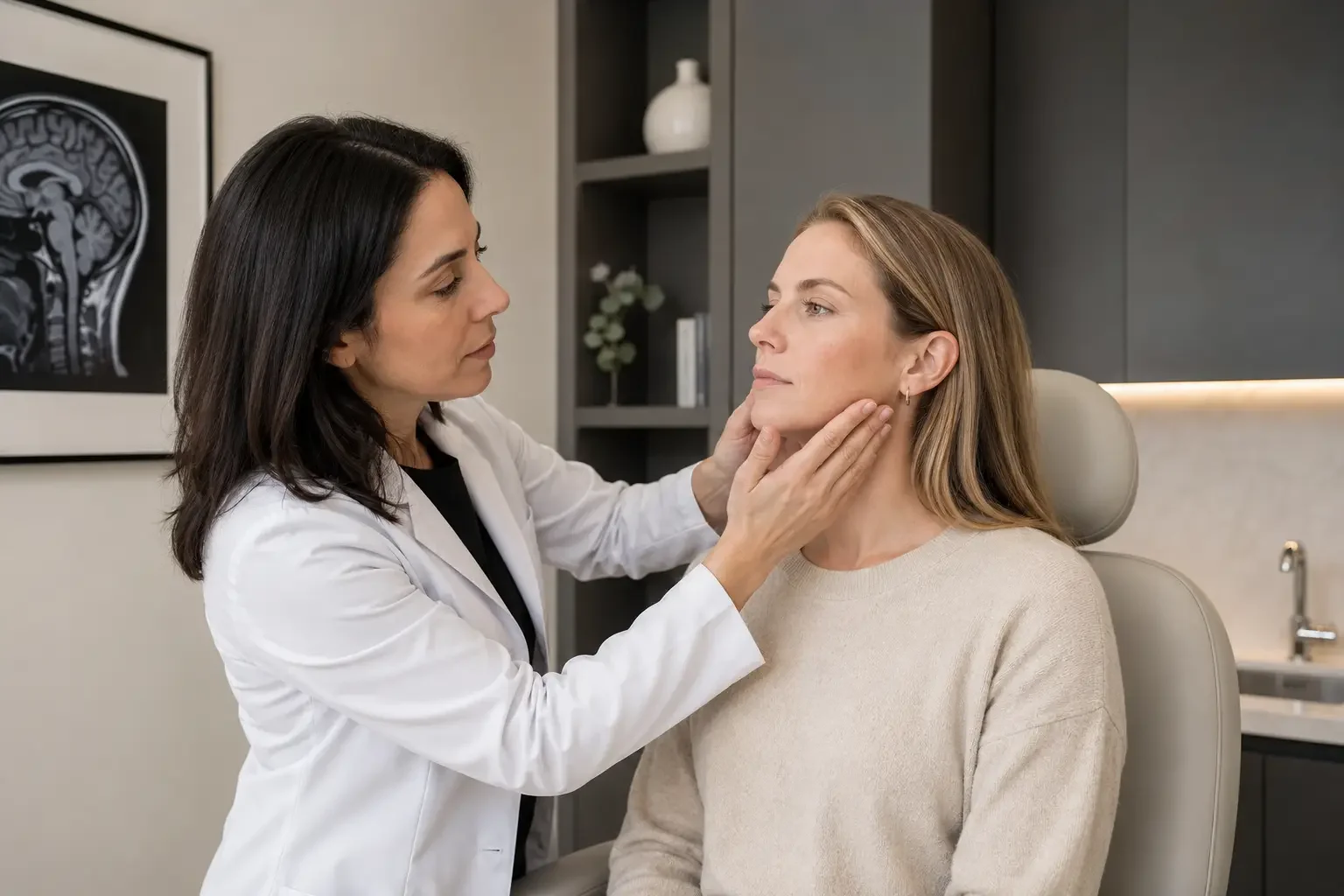
What NeuroBeauty Reviews Before Potential Injections
If botulinum toxin may be considered, Dr. Sodeifi conducts a focused physician review of the proposed injection target, relevant history, safety, and candidacy. This is not a comprehensive dental or TMD evaluation.
1. Clinical History
Dr. Sodeifi reviews the patient's symptoms, dental history, prior evaluation or treatment, relevant medical history, and goals for the consultation.
2. Proposed Injection Target
Dr. Sodeifi reviews the jaw or facial muscles being considered and whether the proposed target fits the referral concern.
3. Safety and Candidacy
If injections are being considered, the discussion includes off-label status for TMD, expected variability, possible benefits, material risks, alternatives, and reasons treatment may not be appropriate.
4. Individualized Next Step
The next step may be treatment, continued dental care, another medical or specialist evaluation, conservative management, or no procedure. NeuroBeauty is a cash-pay practice and does not bill insurance.
Discuss
Explain that the referral is for physician evaluation of a possible jaw-muscle or facial neuromuscular component. It does not guarantee treatment.
Refer
Give the patient the NeuroBeauty referral slip or direct the patient to this page. The patient can schedule a consultation online or call the office for assistance.
Coordinate
if communication between offices would support care, obtain the patient's authorization and use an approved secure method. Do not send patient details through an ordinary website contact form or unencrypted email.

A Simple Referral Pathway



Referral Resources for Dentists and Patients
The dental referral packet is designed for dental offices and includes referral guidance plus a printable patient slip. The patient handouts explain jaw clenching, grinding, and when dental or other care may be needed.
Clinical Context for Jaw-Muscle Botulinum Toxin
Temporomandibular disorders include multiple joint, muscle, and headache-related conditions. The term “TMJ” is often used broadly, but the temporomandibular joint and the muscles of mastication are not interchangeable.
Botulinum toxin is not FDA-approved for temporomandibular disorders. Research has examined its use in the chewing muscles, but evidence remains limited and does not establish that it is effective for every TMD presentation. It may be considered selectively when muscle overactivity appears clinically relevant and the expected benefits, limitations, alternatives, and risks have been reviewed.
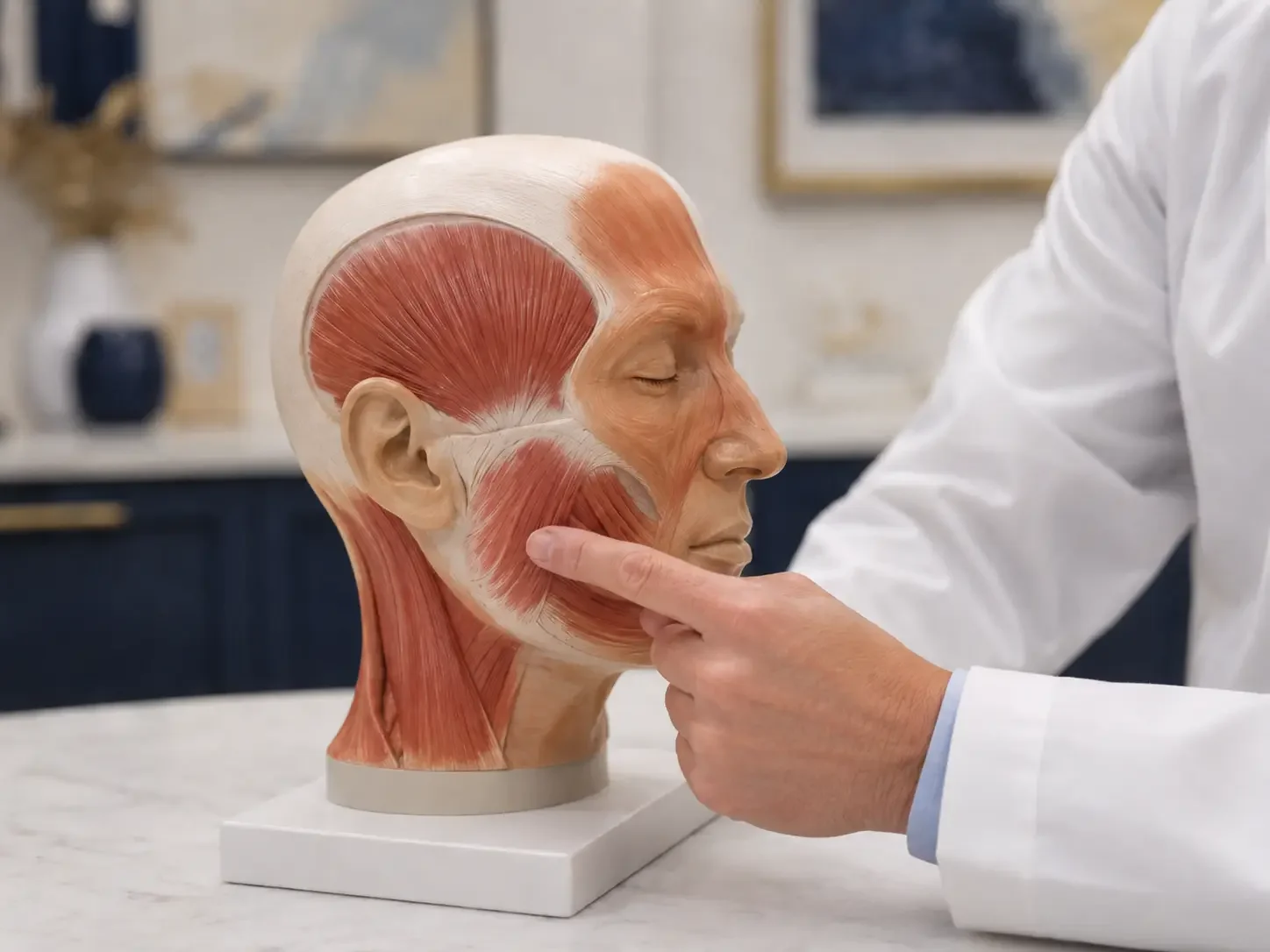
Dental Collaboration Articles
Explore physician-written articles about jaw-muscle symptoms, tooth wear, coordinated care, and the distinct roles of dental and physician treatment.
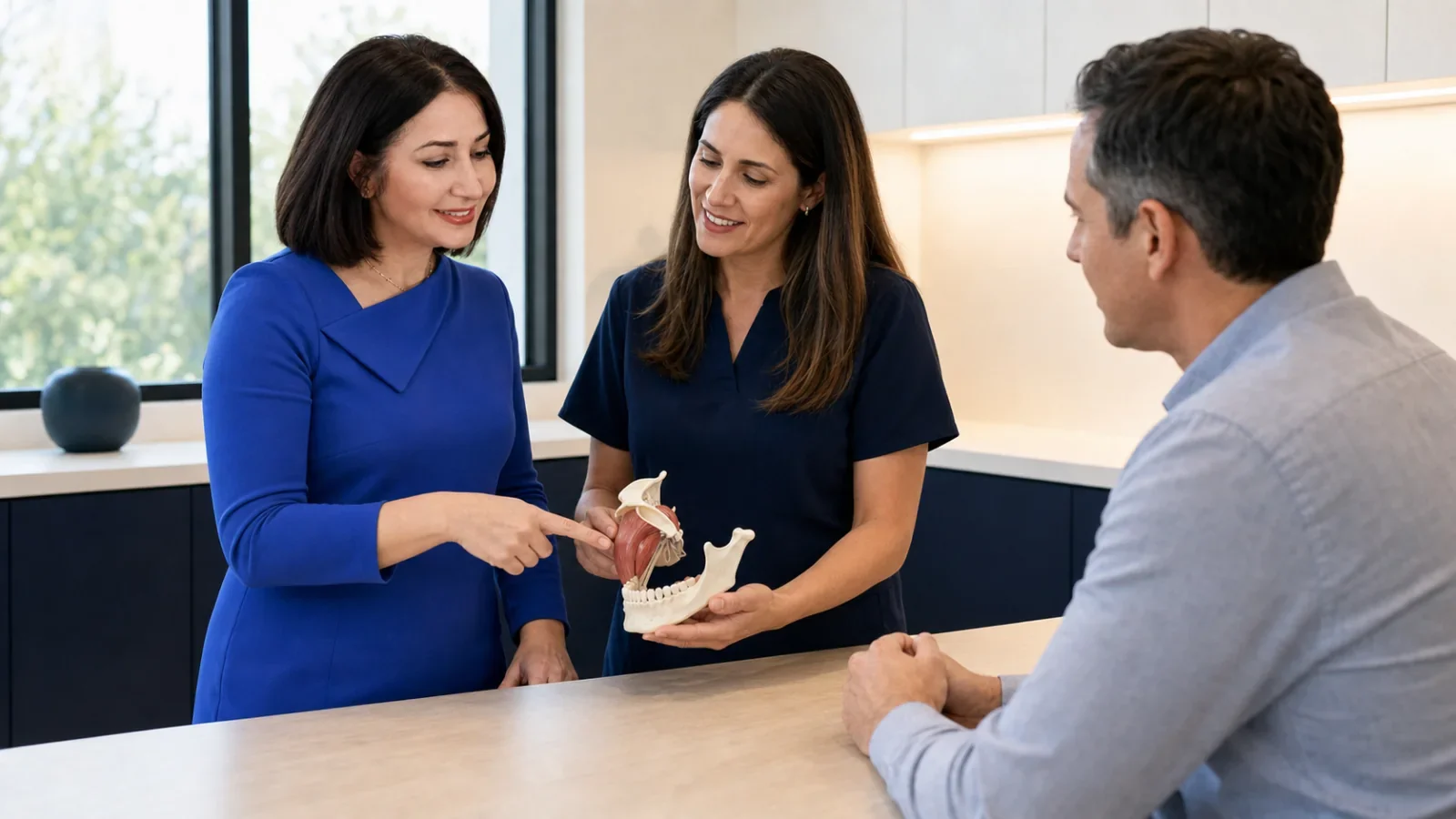
Frequently Asked Questions (FAQ) From Referring Dentists
-
No. Every referral begins with an independent physician consultation. Treatment may not be recommended if the symptom pattern does not appear muscle-driven, another evaluation should come first, the risks outweigh the likely benefit, or the patient's goals do not fit the proposed treatment.
-
NeuroBeauty evaluates selected medical and neuromuscular contributors and may consider botulinum toxin when appropriate. The clinic does not replace comprehensive dental evaluation, oral-appliance care, structural joint assessment, or oral and maxillofacial management.
-
Clicking, locking, limited opening, or joint-centered pain may indicate a structural or intra-articular concern that needs dental, oral and maxillofacial, or other specialist evaluation. NeuroBeauty may still evaluate a patient when muscle overactivity is also suspected, but botulinum toxin should not be presented as a repair for the joint or disc.
-
No. Botulinum toxin does not protect teeth from wear, restore damaged teeth, or replace dental management. Some patients may continue to need an oral appliance or other dental care even if jaw-muscle treatment is considered.
-
No. The anatomical area may overlap, but the goals and decision-making differ. This referral pathway addresses selected functional or neuromuscular concerns. Cosmetic lower-face contouring is evaluated separately and should not be used as the primary reason for a therapeutic dental referral.
-
Give the referral slip directly to the patient whenever practical. Do not submit identifiable patient information through a public website form or ordinary email. If clinical coordination is needed, call NeuroBeauty to confirm an appropriate secure process and obtain the patient's authorization before records are exchanged.
-
Patients may schedule a consultation online. Those who need assistance may call the office at (925) 726-3876.
Questions About a Referral?
If you are unsure whether a patient’s concern fits NeuroBeauty’s scope, call the office before referring. We can discuss the general referral question without exchanging identifiable patient information through an insecure channel.