Therapeutic Botox in Walnut Creek
Therapeutic Botox may be considered for selected neurologic, neuromuscular, and muscle-overactivity conditions, including chronic migraine, cervical dystonia, blepharospasm, hemifacial spasm, and certain jaw-clenching or pain patterns. At NeuroBeauty Clinic in Walnut Creek, every consultation and treatment is performed by Dr. Negar Sodeifi, MD, a neurologist. Recommendations depend on the diagnosis, muscles involved, medical history, expected benefit, alternatives, and whether Botox is appropriate for the specific concern.
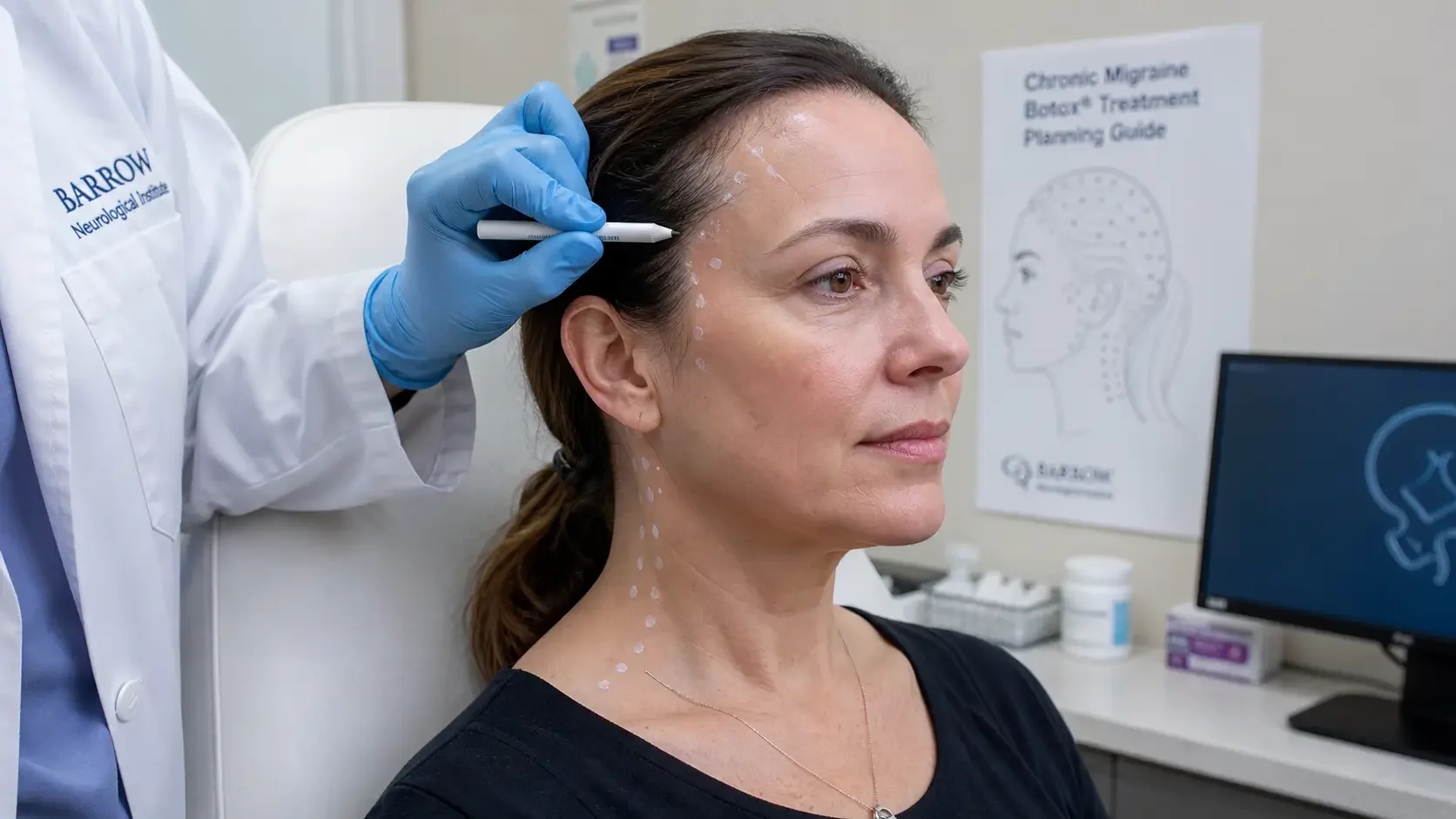
Chronic Migraine
A neurologist-guided Botox treatment for selected adults with chronic migraine and frequent headache burden.
Best for: chronic migraine prevention, frequent headache days, neurologic headache evaluation
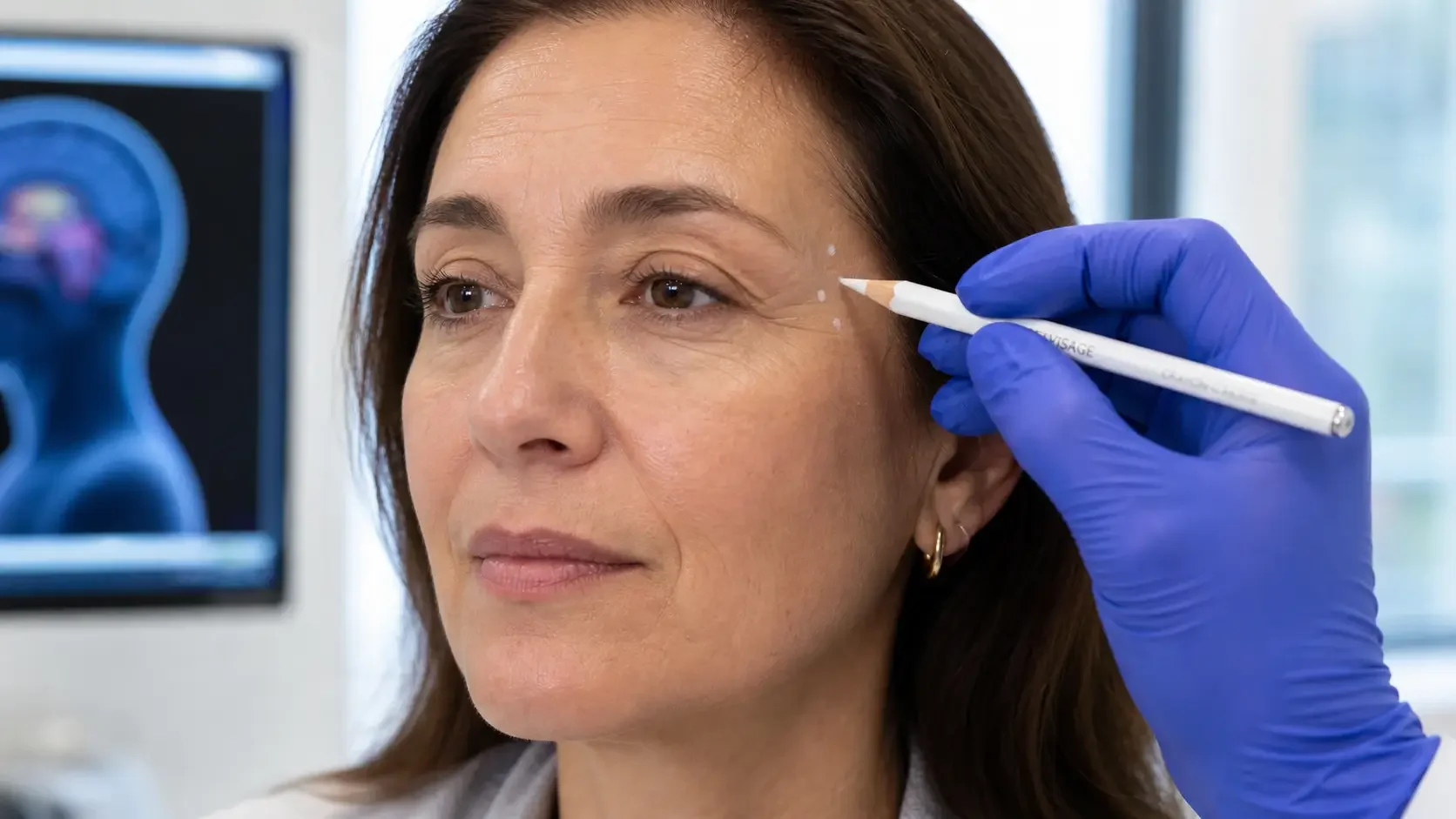
Blepharospasm / Eye Twitching
Carefully placed Botox for involuntary eyelid blinking, twitching, or eyelid spasms.
Best for: eyelid spasms, involuntary blinking, eye twitching, blepharospasm
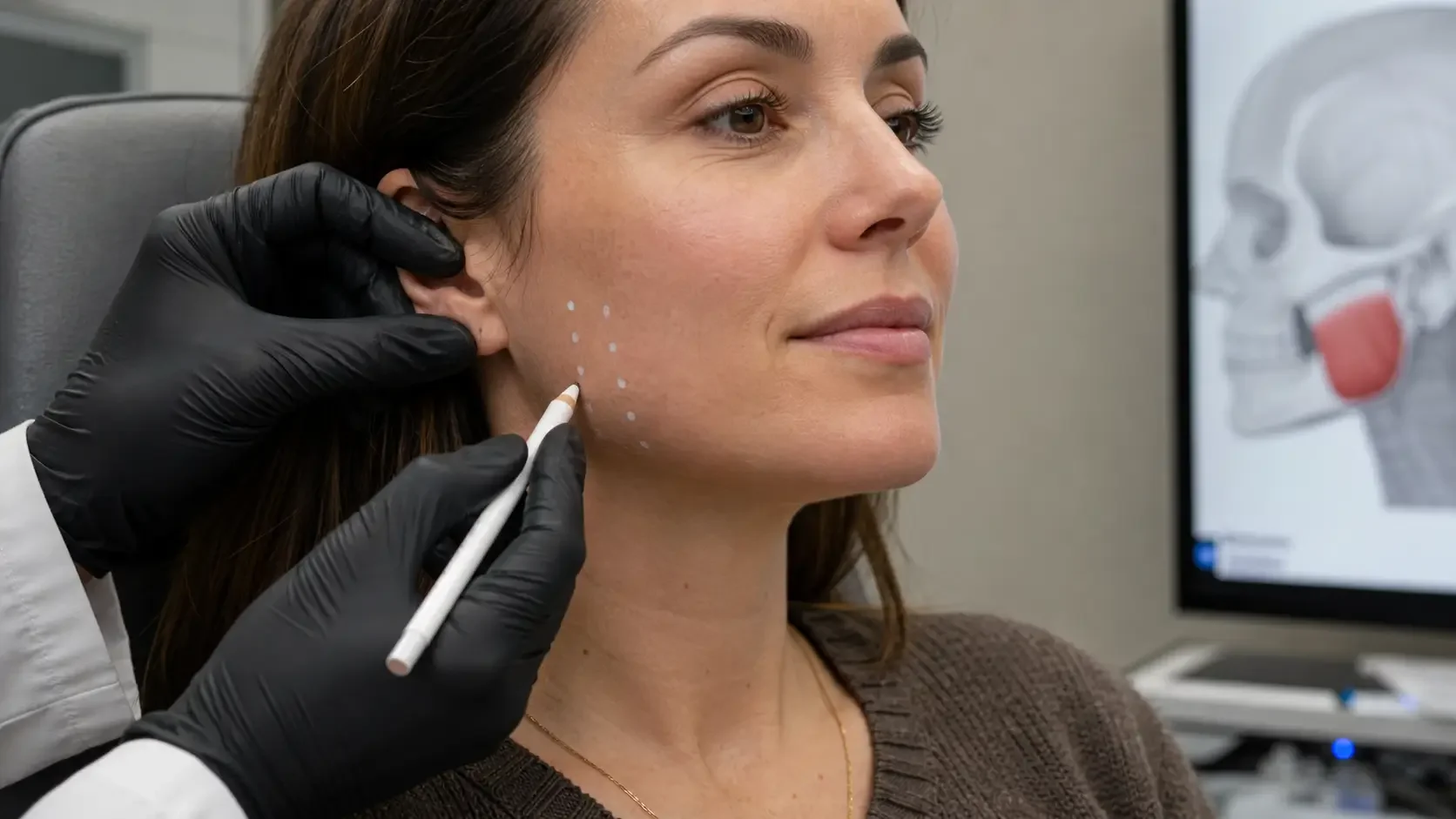
TMJ Pain / Bruxism
Targets overactive jaw muscles that may contribute to clenching, grinding, jaw soreness, and facial tension.
Best for: jaw clenching, bruxism, masseter tension, muscle-related TMJ symptoms
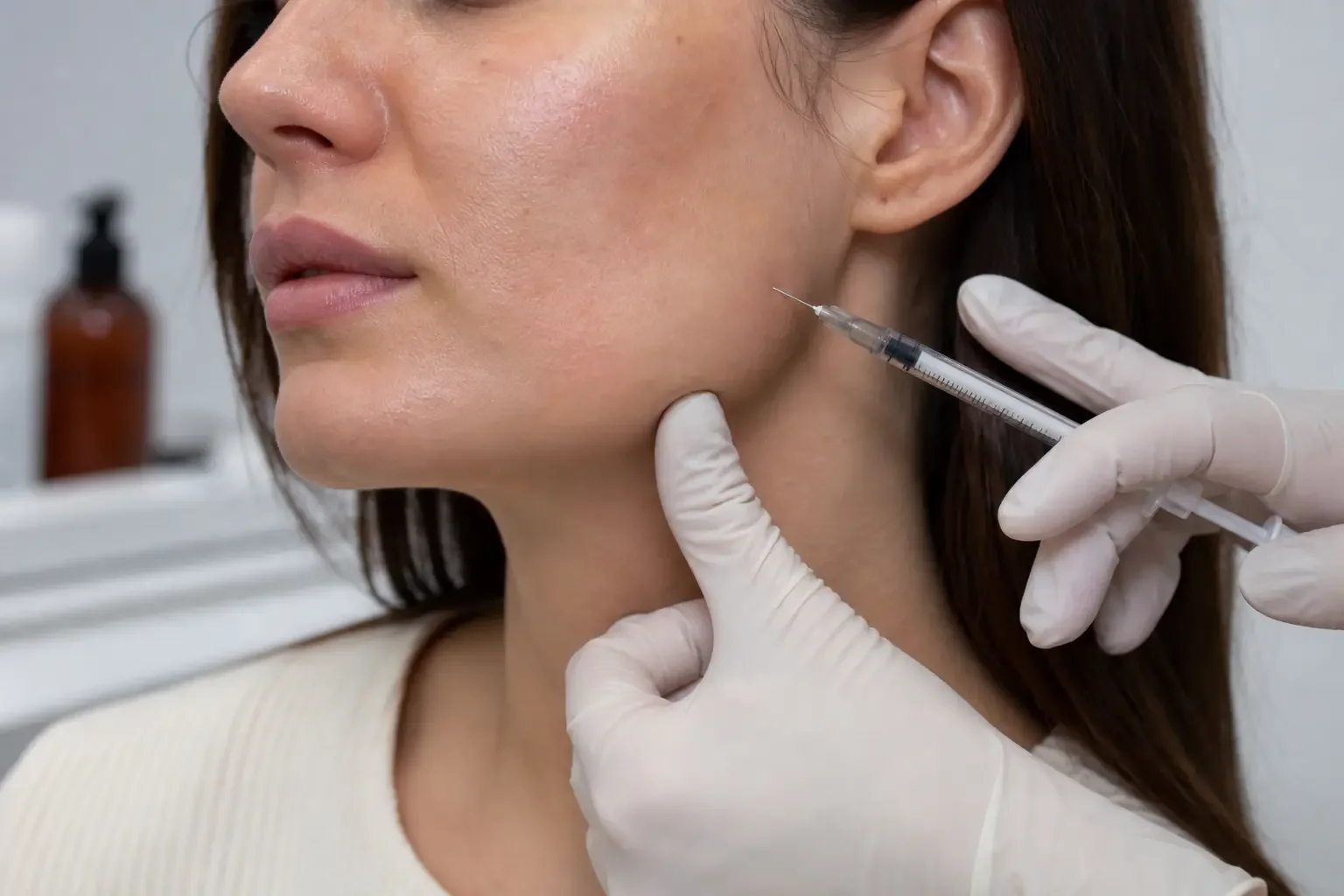
Trigeminal Neuralgia / Facial Pain
A neurologist-led evaluation for selected facial pain patterns where Botox may be considered as part of treatment planning.
Best for: trigeminal neuralgia, neuropathic facial pain
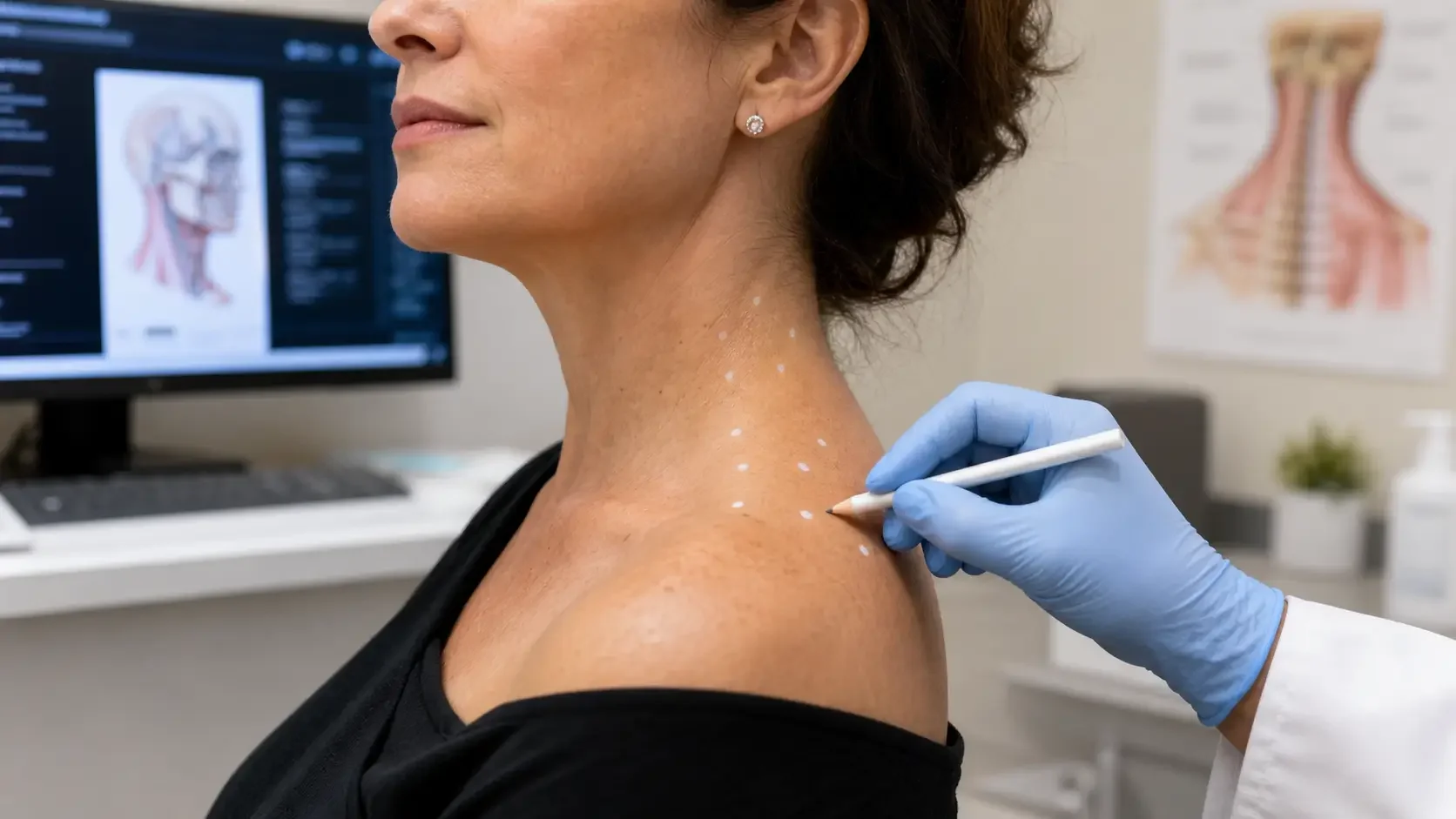
Neck and Shoulder Muscle Tension
May help selected patients with persistent neck or shoulder muscle overactivity, spasm, or tension patterns.
Best for: trapezius tension, cervical muscle overactivity, selected muscle-driven neck symptoms
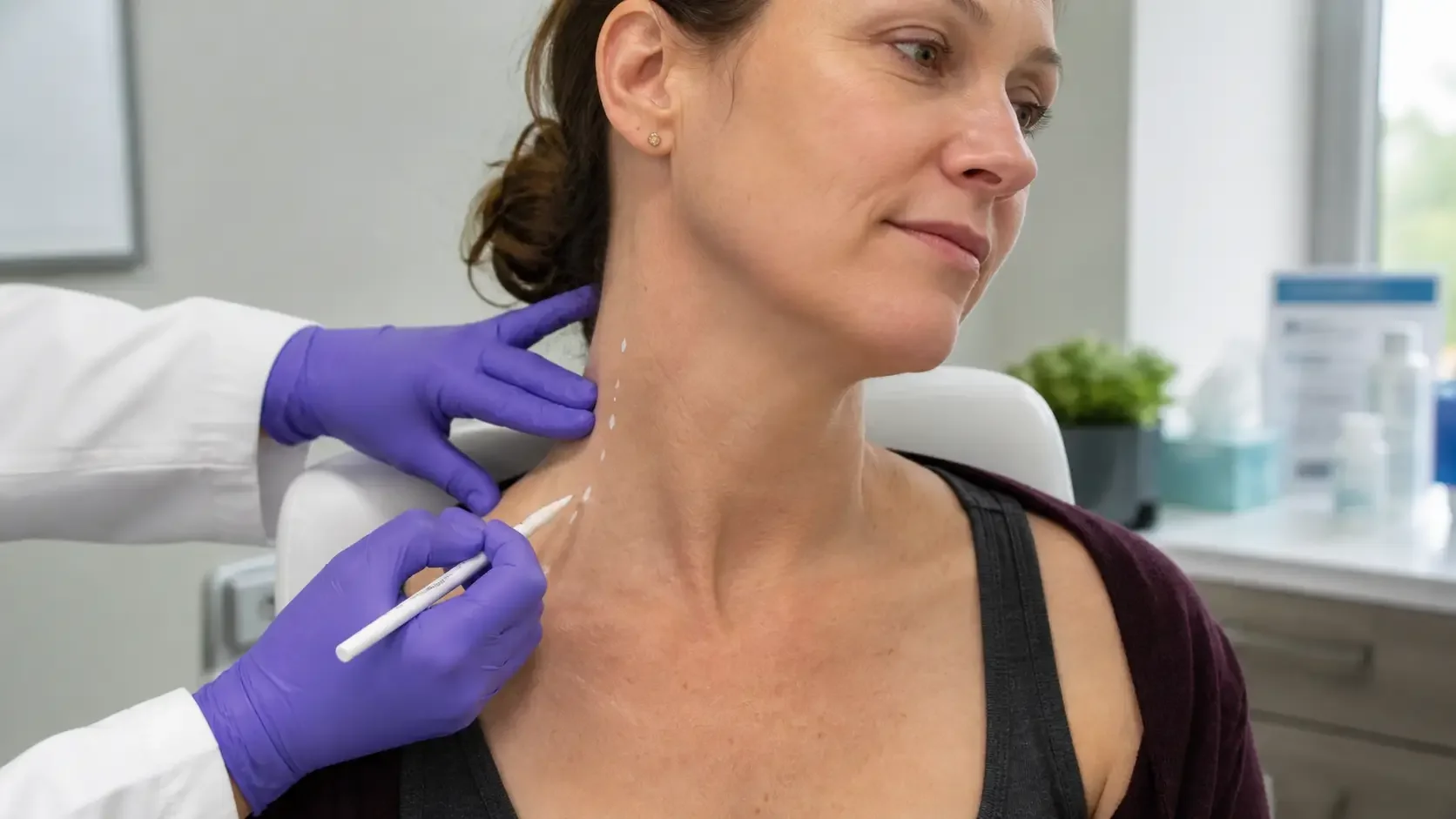
Cervical Dystonia
A therapeutic Botox option for abnormal neck muscle contractions, head pulling, and dystonia-related neck pain.
Best for: involuntary neck contraction, abnormal head position, cervical dystonia
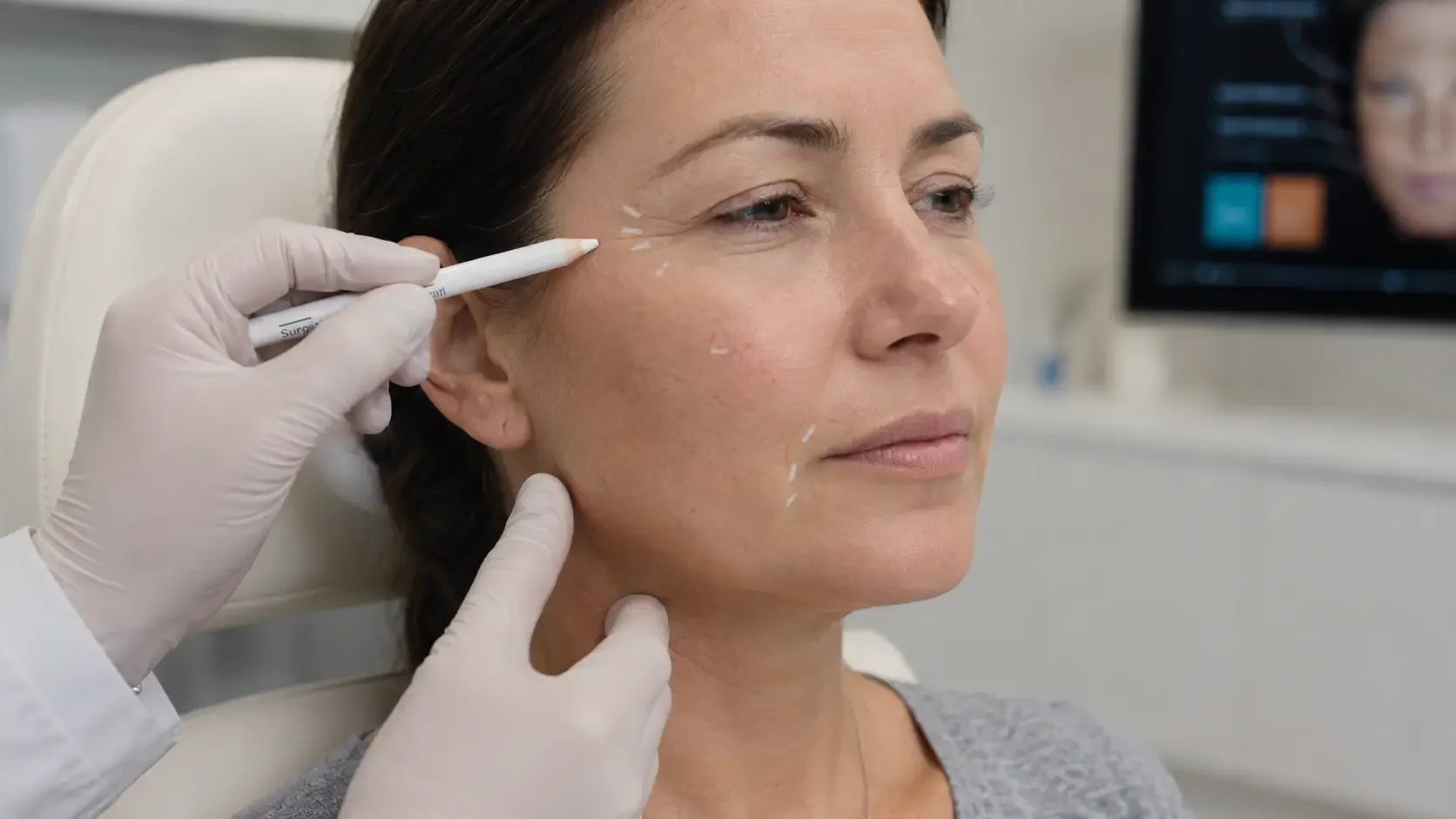
Hemifacial Spasm
A neurologist-guided treatment for one-sided facial twitching or involuntary facial contractions.
Best for: one-sided facial spasm, eyelid-cheek twitching, facial nerve movement symptoms

What is Therapeutic Botox
Therapeutic Botox refers to the medical use of botulinum toxin to reduce excessive muscle activity or abnormal nerve-driven muscle contraction. While Botox is commonly known for cosmetic wrinkle treatment, it is also widely used in medicine for a variety of neurologic, pain, and muscle overactivity conditions.
Depending on the condition being treated, therapeutic Botox may help by:
reducing unwanted muscle contraction
decreasing spasm or overactivity
lowering strain on joints or soft tissues
interrupting certain pain-related muscle patterns
improving comfort and function
The treatment plan depends heavily on which muscles are involved, how symptoms present, and what the treatment goal actually is.
Why A Neurologist-Led Evaluation Matters
Therapeutic Botox is planned around the condition, the muscles or nerves involved, prior treatment, medical history, and the functional goal. A chronic migraine injection pattern is different from treatment for cervical dystonia, jaw clenching, facial spasm, or neck-muscle overactivity.
Depending on the concern, Dr. Sodeifi may assess:
whether the symptoms match a condition that can respond to Botox;
which muscles are overactive and which must be preserved for normal function;
whether imaging, dental care, physical therapy, medication, or another evaluation should come first;
the treatment goal, expected benefit, dosing pattern, and follow-up plan.
This diagnosis-first approach helps separate patients likely to benefit from those who need a different treatment path.
What To Expect From Therapeutic Botox
Treatment is performed with a series of small injections into the muscles selected during the examination. Some effects may begin within days and continue developing over the following weeks. Onset, duration, and the timing of repeat treatment depend on the condition and response.
NeuroBeauty is a cash-pay clinic and does not bill insurance. You can review therapeutic Botox pricing before scheduling.
Risks And Limitations
Possible side effects vary by treatment area and can include injection-site discomfort, bruising, headache, temporary weakness, eyelid droop, dry eye, neck weakness, jaw fatigue, chewing changes, or swallowing difficulty.
Botulinum toxin products also carry a boxed warning for rare spread of toxin effect, including generalized weakness and problems with speaking, swallowing, or breathing. Seek urgent medical care for new breathing, swallowing, or speech problems. The current BOTOX prescribing information contains complete indications and safety information.
Therapeutic Botox Versus Cosmetic Botox
Therapeutic and cosmetic Botox use the same type of medication for different goals. Cosmetic Botox softens selected movement-related facial lines. Therapeutic Botox targets a medical or functional problem such as chronic migraine or abnormal muscle contraction.
The muscles, dose, injection pattern, and follow-up are therefore different. Chronic migraine treatment is not cosmetic forehead Botox, and TMJ-related jaw-clenching treatment is not the same as cosmetic masseter slimming.
Conditions Treated With Therapeutic Botox
Therapeutic Botox, sometimes called medical Botox, can reduce excessive muscle activity and prevent headaches from chronic migraine in appropriately diagnosed patients. FDA-approved uses relevant to NeuroBeauty include chronic migraine prevention in adults, adult cervical dystonia, and blepharospasm associated with dystonia.
Botox is also used off-label for selected problems such as TMJ-related jaw clenching, bruxism, hemifacial spasm, facial pain, and certain neck or shoulder muscle-tension patterns. Off-label means the medication is approved, but not specifically for that diagnosis. Evidence and expected benefit differ by condition, which is why the diagnosis matters.
Review the condition-specific pages for chronic migraine Botox evaluation, TMJ and bruxism, cervical dystonia, blepharospasm, hemifacial spasm, facial pain, and neck or shoulder muscle overactivity.
What to Expect From Therapeutic Botox
Treatment begins with an assessment of your symptoms, goals, anatomy, and whether Botox is likely to be a good fit.
Depending on the condition being addressed, treatment may involve:
symptom review
muscle pattern assessment
targeted anatomical planning
discussion of expected benefits and limitations
Most Botox treatments are relatively quick, and the timeline of benefit can vary depending on the condition being treated.
In general:
some patients begin noticing change within a few days
fuller benefit may develop over 1–2 weeks
effects often last around 3 months, though this varies
Repeat treatment intervals depend on the indication, symptom pattern, and response.
Frequently Asked Questions (FAQ) About Therapeutic Botox
-
Therapeutic Botox has FDA-approved uses that include chronic migraine prevention in adults, cervical dystonia, blepharospasm, and adult spasticity. Other uses may be off-label depending on the diagnosis and treatment goal. Candidacy requires condition-specific evaluation.
-
Therapeutic Botox is planned around a medical or functional goal. The diagnosis, muscles selected, dose, injection pattern, expected benefit, and risks may differ substantially from cosmetic wrinkle treatment.
-
Duration varies by condition, dose, muscles treated, and individual response. Many treatment plans are reassessed at intervals of approximately three months, but the appropriate schedule is individualized.
-
The timing varies by condition. Some changes may begin within several days, while the fuller effect may take longer. Dr. Sodeifi will discuss the expected timeline for the specific indication.
-
Yes. Consultation is required to review the diagnosis or symptom pattern, medical history, medications, prior treatments, alternatives, expected benefit, and risks.
-
No. NeuroBeauty is a cash-pay clinic and does not bill insurance. Some insurance plans may cover Botox for certain conditions in other medical settings.
-
No. Some uses are FDA-approved and others may be off-label. When an off-label use is being considered, the reasoning, evidence limitations, alternatives, and risks should be discussed during consultation.
-
No. They involve different diagnoses, muscles, dosing patterns, treatment goals, and expected outcomes.
-
“Botox for pain” is a broad phrase rather than a diagnosis. Botox has established benefits for some conditions, including chronic migraine and cervical dystonia, while evidence is more limited for other pain patterns. Dr. Sodeifi first identifies the likely source of pain and whether Botox fits the muscles or nerves involved.
Schedule Therapeutic Botox in Walnut Creek
NeuroBeauty is located in Walnut Creek, California, and serves patients from Lafayette, Danville, Alamo, San Ramon, Pleasant Hill, Concord, and the greater East Bay. It provides neurologist-led therapeutic Botox. Every consultation and treatment is performed by Dr. Negar Sodeifi, MD, with a plan based on diagnosis, anatomy, prior treatment, and functional goals.
Schedule a consultation online to view current availability. If you need help choosing the appropriate appointment type, call (925) 726-3876.
Page details
Therapeutic Botox in Walnut Creek
Therapeutic Botox injections help treat chronic migraine, TMJ pain, cervical dystonia, muscle spasm, and facial nerve pain. Physician-performed treatment using precise, anatomy-guided techniques to reduce pain and improve function. Located in Walnut Creek and serving the East Bay.
Therapeutic Botox in Walnut Creek
Therapeutic Botox injections help treat chronic migraine, TMJ pain, cervical dystonia, muscle spasm, and facial nerve pain. Physician-performed treatment using precise, anatomy-guided techniques to reduce pain and improve function. Located in Walnut Creek and serving the East Bay.