


Chronic migraine is a neurologic condition defined as headaches occurring 15 or more days per month, with migraine symptoms present on at least 8 of those days. These headaches can cause significant pain, sensitivity to light or sound, nausea, and disruption of daily activities.
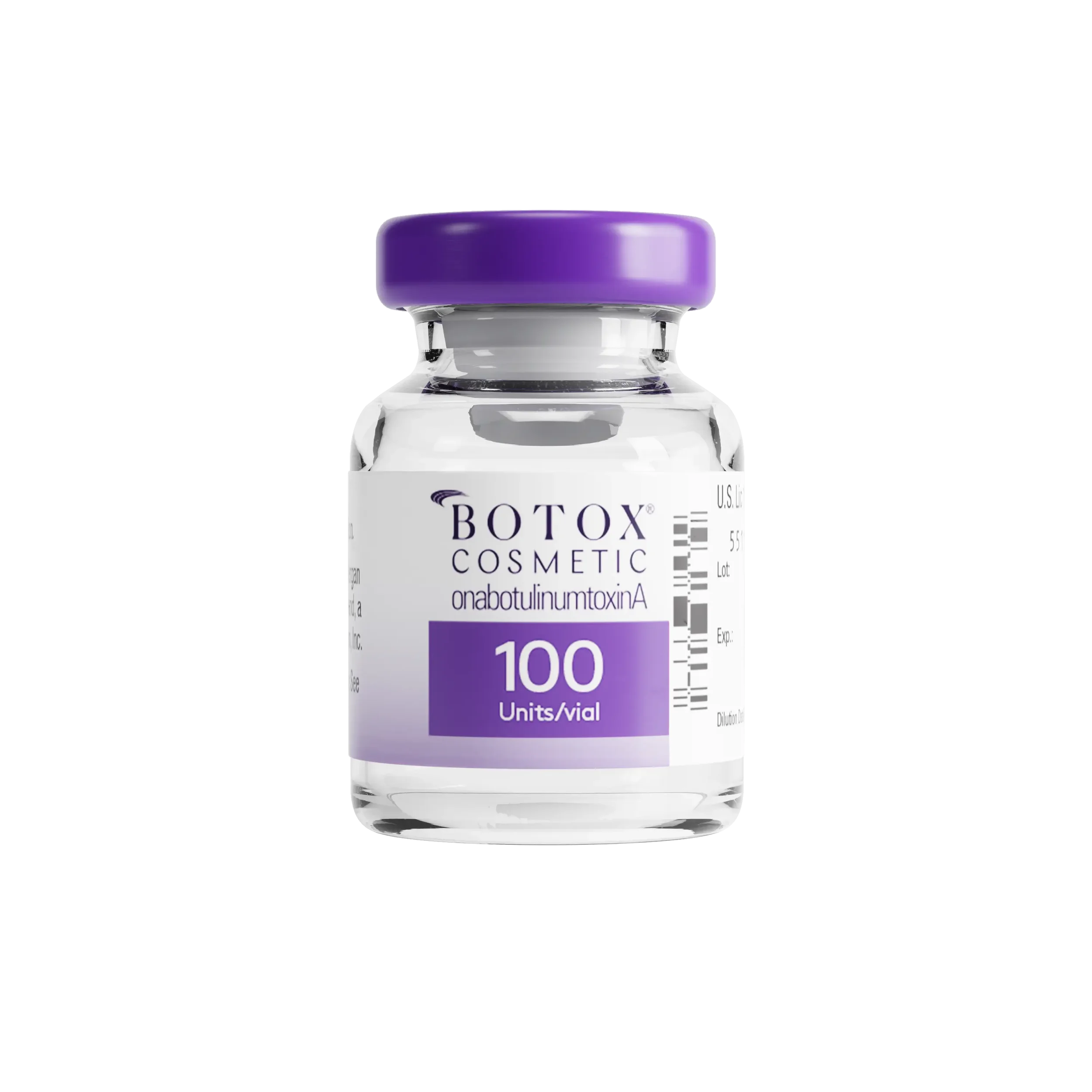
Botulinum toxin injections are an FDA-approved preventive treatment for chronic migraine. The medication works by blocking certain nerve signals involved in pain transmission and by relaxing muscles that contribute to headache tension.
During treatment, small amounts of botulinum toxin are injected into specific muscles in the forehead, temples, back of the head, neck, and shoulders. These injection sites follow established migraine treatment patterns designed to reduce nerve irritation and muscle tension associated with headache disorders.
Many patients experience a reduction in the frequency, severity, and duration of migraine attacks after treatment. Botox may also help decrease associated symptoms such as neck tightness and muscle-related tension headaches
The procedure is performed in the office and typically takes 15–20 minutes. Most patients begin to notice improvement within 1–2 weeks, with maximum benefit developing over several weeks.
Results generally last about 3 months, after which repeat treatment can help maintain ongoing migraine prevention.
Common Symptoms
Frequent migraine headaches
Sensitivity to light or sound
Nausea associated with headaches
Tightness in the neck or shoulders
Chronic tension headaches
Treatment Areas
Botulinum toxin injections may be placed in muscles such as:
Forehead muscles
Temples
Back of the head
Upper neck muscles
Trapezius muscles
Duration
Appointment time: ~15–20 minutes
Onset of improvement: 1–2 weeks
Duration of effect: ~3 months