
Upper extremity spasticity occurs when certain muscles in the arm become overactive due to damage to the brain or spinal cord, often following conditions such as stroke, traumatic brain injury, multiple sclerosis, or other neurologic disorders.
This abnormal muscle activity can cause persistent stiffness, involuntary muscle contractions, abnormal arm positioning, and difficulty with everyday tasks such as dressing, hygiene, or using the hand.
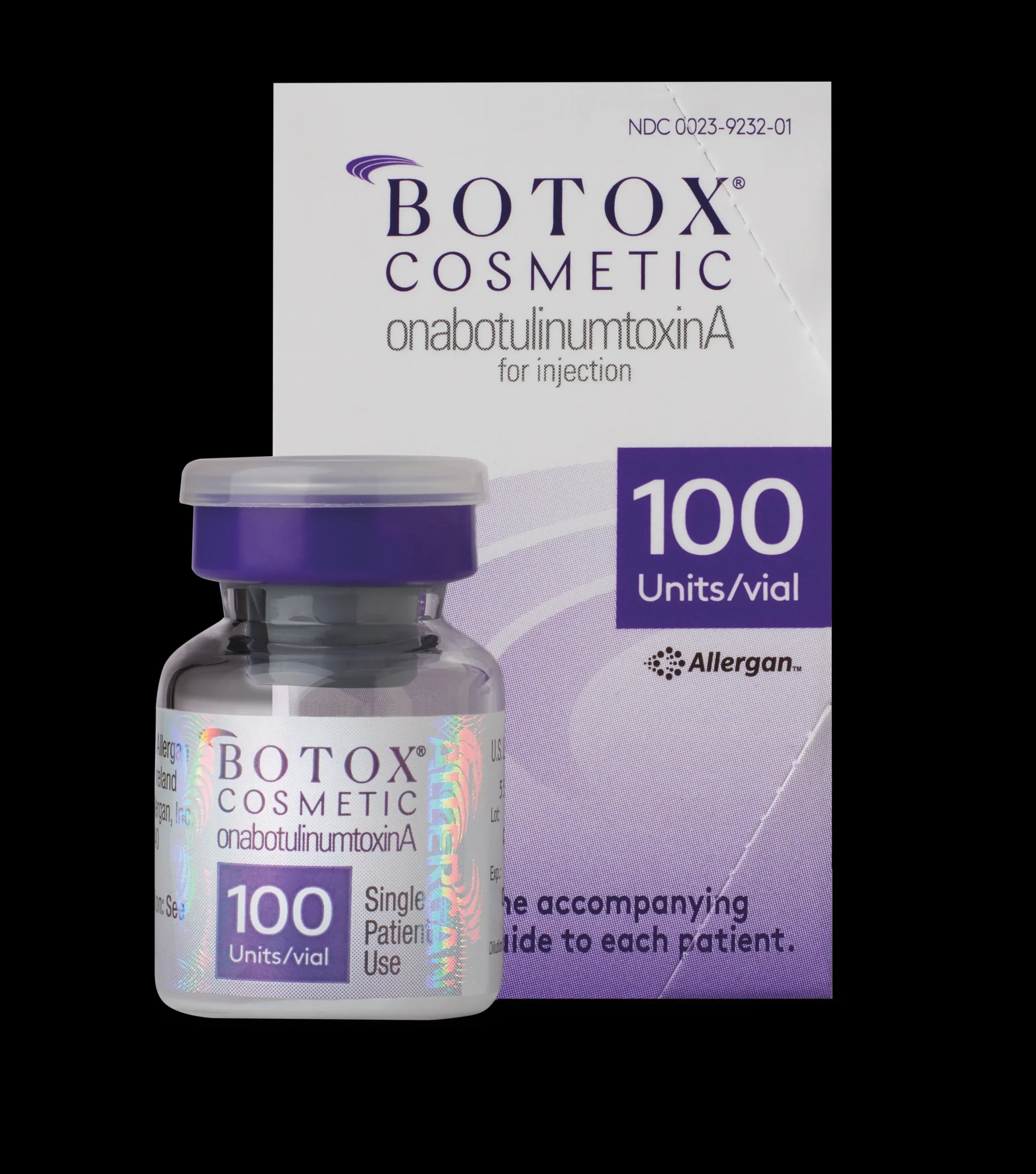
Botulinum toxin injections are a widely used treatment to help reduce muscle overactivity in specific muscles of the arm. The medication works by temporarily blocking the nerve signals that cause excessive muscle contraction, allowing the affected muscles to relax.
By targeting the muscles responsible for the spasticity, treatment may help improve range of motion, reduce discomfort, and make physical therapy and daily activities easier.
The procedure is performed in the office and typically takes 15–20 minutes. Small amounts of medication are injected into the muscles responsible for the spasticity pattern.
Most patients begin to notice improvement within several days to two weeks, with the effects typically lasting about 3–4 months. Repeat treatments may help maintain ongoing improvement in muscle control and comfort.
Because spasticity patterns vary widely, injection placement is individualized to the muscles most involved in each patient’s condition.
Common Symptoms
Muscle stiffness in the arm or hand
Involuntary muscle contractions
Difficulty opening the hand or extending the arm
Abnormal arm positioning
Pain or tightness in affected muscles
Treatment Areas
Botulinum toxin injections may be placed in muscles such as:
Biceps
Forearm flexor muscles
Wrist flexors
Finger flexors
Other muscles depending on the spasticity pattern
Duration
Appointment time: ~15–20 minutes
Onset of improvement: several days to two weeks
Duration of effect: ~3–4 months