Botox Beyond Wrinkles: Cosmetic and Therapeutic Uses in Walnut Creek
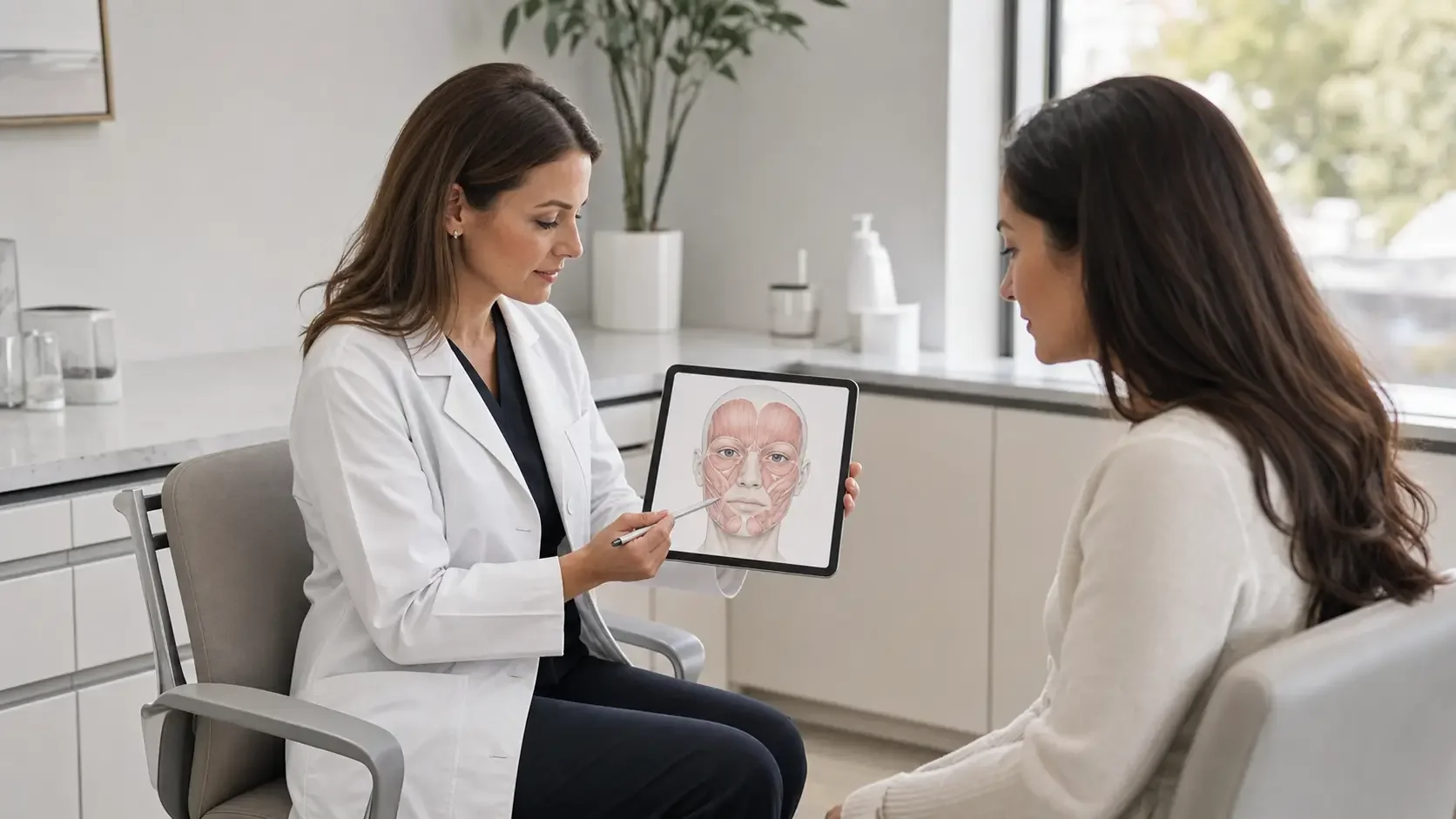
Botox is not just for cosmetic treatments
Botox Beyond Wrinkles: Cosmetic and Therapeutic Uses in Walnut Creek
Most people first hear about Botox as a cosmetic treatment for expression lines. That is an important use, but it is not the whole story. In the right patient, Botox may also be used for certain concerns involving muscle overactivity, jaw clenching, migraine prevention, neck or shoulder tension, and facial muscle spasm.
At NeuroBeauty Clinic in Walnut Creek, every Botox consultation and treatment is performed by Dr. Negar Sodeifi, MD, a neurologist. That physician-led model matters because cosmetic and therapeutic Botox both depend on anatomy, muscle function, diagnosis, dose, and realistic goals.
This guide explains how Botox in Walnut Creek may fit cosmetic and therapeutic treatment planning, and why a careful consultation is especially important when symptoms go beyond wrinkles.
What Botox Actually Does
Botox is a neuromodulator medication that temporarily reduces targeted muscle activity. In cosmetic treatment, that can soften dynamic wrinkles caused by repeated expression, such as frown lines, forehead lines, and crow's feet.
Therapeutically, the same basic mechanism can sometimes help when excessive or abnormal muscle activity contributes to symptoms. That does not mean Botox treats every type of pain, headache, or tension. It means Botox may be considered when the clinical problem is tied to specific muscles and the patient is an appropriate candidate.
General patient-education resources from the American Academy of Dermatology, the American Society of Plastic Surgeons, and MedlinePlus can be useful background. They do not replace a consultation with a physician who can evaluate your anatomy, symptoms, and medical history.
Cosmetic Botox: Softening Lines Without Looking Frozen
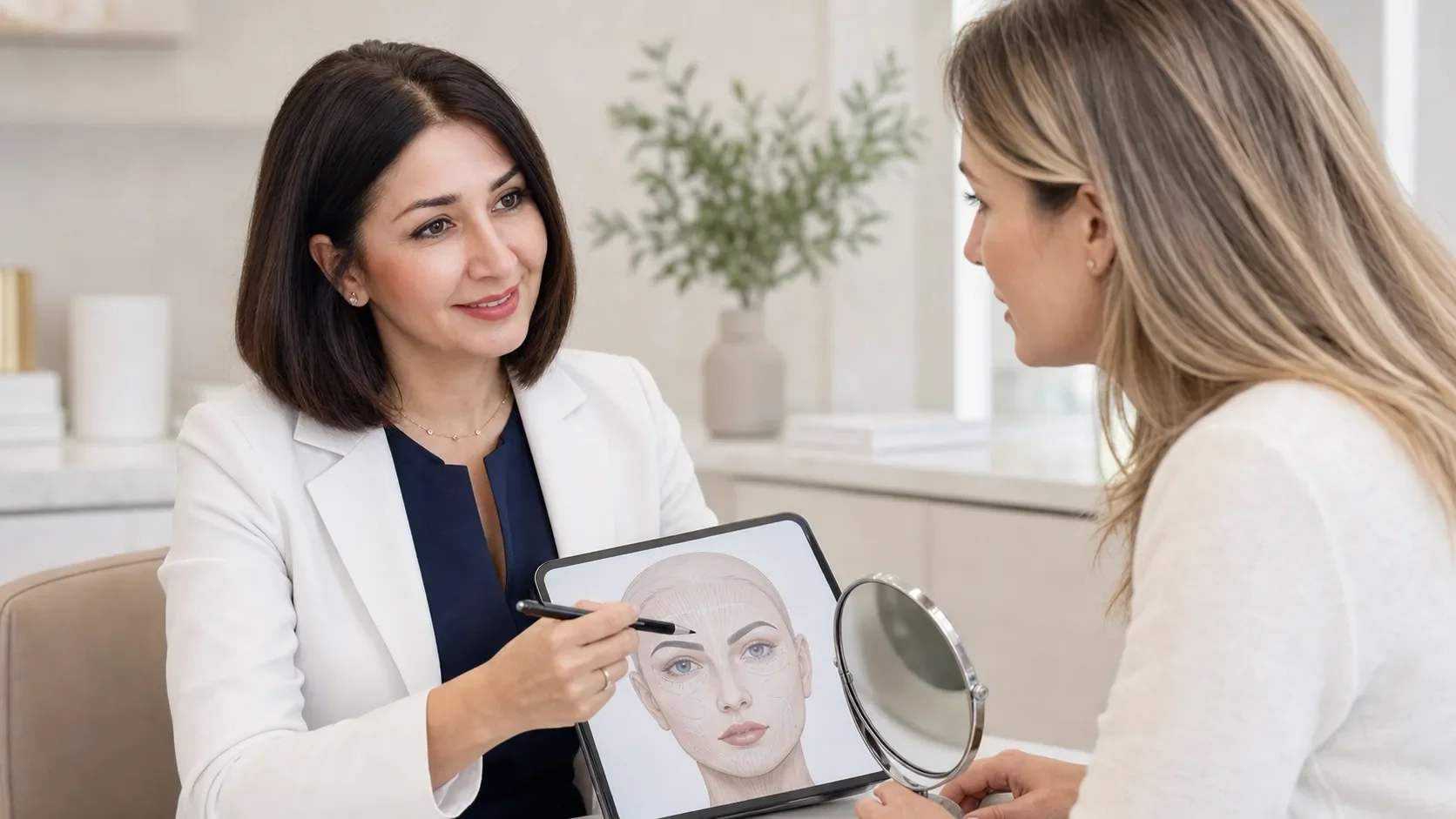
Cosmetic Botox is commonly used to soften lines created by repeated facial movement. Common treatment areas include:
Frown lines between the eyebrows.
Forehead lines from lifting the brows
Crow's feet around the outer eyesBunny lines around the nose
Selected brow-position concerns when anatomy supports it
Selected lower-face or neck concerns when appropriate
The goal at NeuroBeauty is not a frozen face. The goal is a refreshed, natural-looking result that fits the patient's anatomy. A conservative plan may soften movement while preserving normal expression, facial balance, and the character of the face. For patients who are primarily interested in aesthetics, the most useful questions are not simply "How much Botox do I need?" but "Which muscles are creating the concern?" and "How can treatment be planned without overcorrecting?"
Therapeutic Botox: When Muscle Overactivity Is Part of the Problem
Therapeutic Botox refers to Botox used for medically or functionally relevant concerns where muscle activity plays a role. This requires a different level of evaluation than a routine wrinkle visit because the physician must consider symptoms, diagnosis, medical history, contributing factors, and whether Botox is actually the right tool. Therapeutic Botox is not a catch-all treatment. It may be considered for selected patients with concerns such as jaw clenching, TMJ-related muscle tension, chronic migraine, neck and shoulder muscle overactivity, blepharospasm, hemifacial spasm, cervical dystonia, and related neurologic or neuromuscular concerns when clinically appropriate.
TMJ Tension, Jaw Clenching, and Masseter Botox
One of the most common therapeutic discussions is TMJ Botox or masseter Botox for jaw clenching and bruxism-related muscle tension. The masseter muscles help close the jaw. In some patients, overactivity in these muscles can contribute to jaw soreness, clenching, chewing fatigue, or a bulky lower-face appearance. Botox may help selected patients by reducing excessive masseter activity. For some patients, this is discussed mainly for comfort. For others, it may also affect lower-face contour over time. Both the functional and cosmetic effects should be considered before treatment. TMJ symptoms can come from many causes, including dental, joint, muscular, bite-related, and stress-related contributors. Botox may be reasonable in some cases, but it should not replace appropriate dental or medical evaluation when that is needed.
For a more detailed discussion of jaw clenching, bruxism, candidacy, and treatment limitations, read Botox for TMJ Pain in Walnut Creek.
Botox for Chronic Migraine and Headache-Related Concerns
Botox may also be used in certain migraine-related settings, especially for chronic migraine prevention in appropriately selected patients. The American Migraine Foundation offers a helpful patient overview of Botox for migraine. Not every headache is migraine, and not every migraine pattern is treated the same way. Headache evaluation matters because treatment depends on the diagnosis, frequency, associated symptoms, medical history, and prior therapies. At NeuroBeauty, migraine Botox is approached as a medical decision, not as a cosmetic add-on. Some patients also have neck, scalp, jaw, or shoulder muscle tension that overlaps with headache symptoms. Botox may be discussed only when the clinical pattern supports it and the expected benefits, limitations, and alternatives are clear.
Neck, Shoulder, and Facial Muscle Overactivity
Botox may be considered for selected patterns of muscle overactivity involving the neck, shoulders, or face. Examples can include neck and shoulder muscle tension, cervical dystonia, blepharospasm, or hemifacial spasm. When clinically appropriate, these conditions should be evaluated medically. Treatment planning depends on which muscles are involved, what the patient is experiencing, whether Botox is likely to help, and how treatment might affect function and appearance. This is where neurologist-led care is especially relevant. The question is not just where to inject. The question is whether the symptom pattern, anatomy, and treatment goal make sense together.
How Botox May Help With Tension or Discomfort
Botox does not treat pain in a general sense. It may help in selected cases where overactive muscles are contributing to strain, fatigue, clenching, spasm, or abnormal pull. When Botox is appropriate, reducing excessive muscle activity may help decrease mechanical strain or overuse in the targeted area. When Botox is not appropriate, it may do little or may create unwanted weakness or imbalance. That distinction is why diagnosis and treatment planning matter.
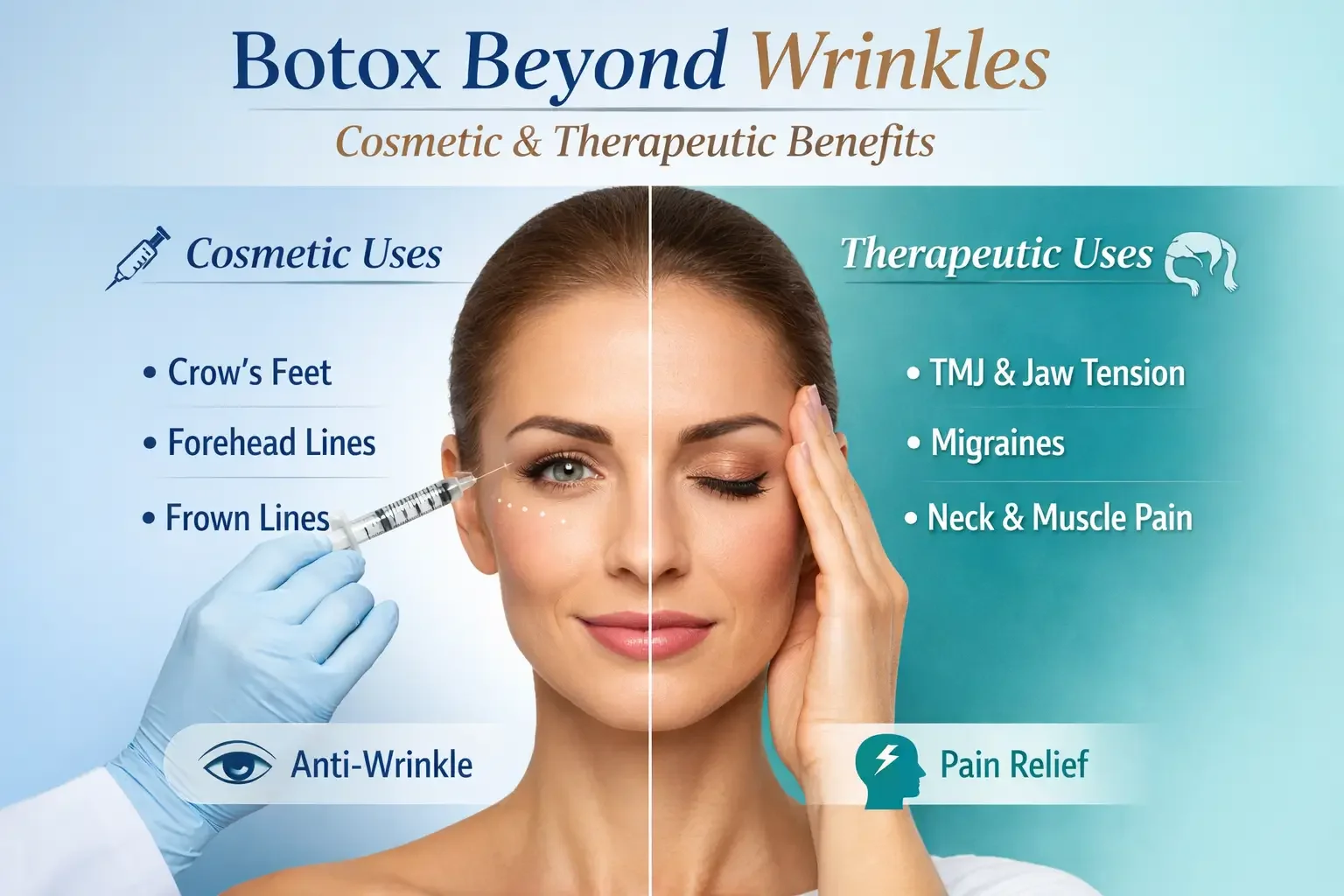
Botox can do more than just make you look better.
Who May Be a Candidate?
Botox may be worth discussing if you have concerns such as:
Expression lines from repeated movement
A tired, tense, or stressed facial appearance
Jaw clenching, bruxism, or masseter muscle overactivity
TMJ-related muscle tension
Chronic migraine patterns that may fit Botox prevention criteria
Selected neck, shoulder, eyelid, or facial muscle overactivity concerns
A preference for physician-performed Botox in Walnut Creek
A good candidate is not simply someone who wants Botox. A good candidate is someone whose anatomy, symptoms, goals, medical history, and expectations fit the treatment.
Who May Not Be a Candidate?
Botox may not be appropriate if the concern is not muscle-driven, if another diagnosis needs evaluation first, if expectations are unrealistic, or if medical history makes treatment less suitable. Some patients may need dental evaluation, neurologic evaluation, physical therapy, medication management, skin-focused treatment, or another approach instead. Botox can also have side effects, including unwanted weakness, asymmetry, eyelid or brow heaviness, swallowing or speech issues in certain treatment areas, bruising, headache, or other medication-related risks. The specific risks depend on the treatment area, dose, anatomy, and medical history.
Why Physician Evaluation Matters
Botox should not be treated like a generic beauty product, especially when the goal goes beyond wrinkle softening. A physician-led evaluation helps clarify:Which muscles are involvedWhether Botox is likely to address the concernWhich areas should be avoidedHow cosmetic and functional effects may overlapWhat dose and treatment pattern are reasonableWhether another evaluation or treatment should come firstAt NeuroBeauty Clinic, all Botox treatments are performed exclusively by Dr. Sodeifi. There are no NPs, PAs, estheticians, or technicians performing injections. The emphasis is on anatomy, candidacy, conservative planning, and natural-looking results.
What to Expect From Treatment
Treatment is performed in the office after consultation and consent. The specific injection pattern depends on the treatment goal. A cosmetic frown-line treatment, a TMJ/masseter treatment, and a migraine-related treatment plan are not interchangeable. Results are not immediate. Many patients begin to notice an effect over several days, with full effect often developing over one to two weeks, depending on the treatment area and individual response. Duration varies by dose, muscle strength, treatment area, metabolism, and treatment history. For therapeutic concerns, follow-up and expectation-setting are important. The goal may be improvement, not complete elimination of symptoms. Some patients need a broader care plan, and Botox may be only one part of that plan.
Botox Beyond Wrinkles in Walnut Creek
Botox can be cosmetic, therapeutic, or both. The key is knowing which problem is being treated and why. In Walnut Creek and the East Bay, NeuroBeauty offers a physician-only, neurologist-led approach for patients who want Botox treatment planned with medical judgment, facial anatomy, and restraint. If you are considering Botox for wrinkles, jaw clenching, TMJ-related tension, migraine, or another muscle-overactivity concern, schedule a consultation with NeuroBeauty Clinic or call the office at (925) 726-3876.
Frequently Asked Questions (FAQ) About Therapeutic Botox
-
No. Botox is widely known for cosmetic wrinkle treatment, but it also has therapeutic uses in selected patients. Whether Botox is appropriate depends on the diagnosis, anatomy, symptoms, and treatment goal.
-
In some patients, Botox may help reduce overactivity of the masseter muscles involved in clenching or grinding. It is not the right treatment for every TMJ concern, so evaluation matters.
-
Botox may be used for chronic migraine prevention in appropriately selected patients. Not all headaches are migraine, and not all migraine patterns require Botox, so medical evaluation is important.
-
It can in some patients. Reducing masseter overactivity may gradually reduce the bulk of that muscle, which can affect lower-face contour. This should be discussed before treatment because functional and cosmetic effects can overlap.
-
The medication may be the same, but the evaluation, goal, dosing pattern, and treatment plan can be very different. Therapeutic Botox requires attention to symptoms, diagnosis, function, and safety.
-
When Botox is used for cosmetic and therapeutic concerns, the treatment plan depends on anatomy, muscle function, diagnosis, and risk management. A physician-led approach is especially important when symptoms, function, and appearance overlap.
-
You can read more about therapeutic Botox, TMJ Botox, migraine Botox, and why physician-performed Botox matters.
Next Steps
Page details
Botox Beyond Wrinkles: Cosmetic and Therapeutic Uses in Walnut Creek
Botox is used for more than wrinkles. Learn how it may help with TMJ, migraine, neck tension, facial muscle spasm, and cosmetic concerns like crow’s feet.
Botox Beyond Wrinkles: Cosmetic and Therapeutic Uses in Walnut Creek
Botox is used for more than wrinkles. Learn how it may help with TMJ, migraine, neck tension, facial muscle spasm, and cosmetic concerns like crow’s feet.
Dr. Negar Sodeifi, MD, Physician and neurologist