

Jawline Filler in Walnut Creek
Jawline filler, also called jaw enhancement, is a dermal filler treatment designed to improve lower-face structure, definition, and balance. In selected patients, carefully placed filler can support the jawline, improve facial proportions, and create a more refined lower-face contour without surgery.
At NeuroBeauty Clinic in Walnut Creek, jawline filler is performed exclusively by Dr. Negar Sodeifi, MD, a neurologist. Treatment is guided by facial anatomy, bone structure, soft tissue support, facial symmetry, chin position, lower-face proportions, and the goal of achieving a natural-looking result.
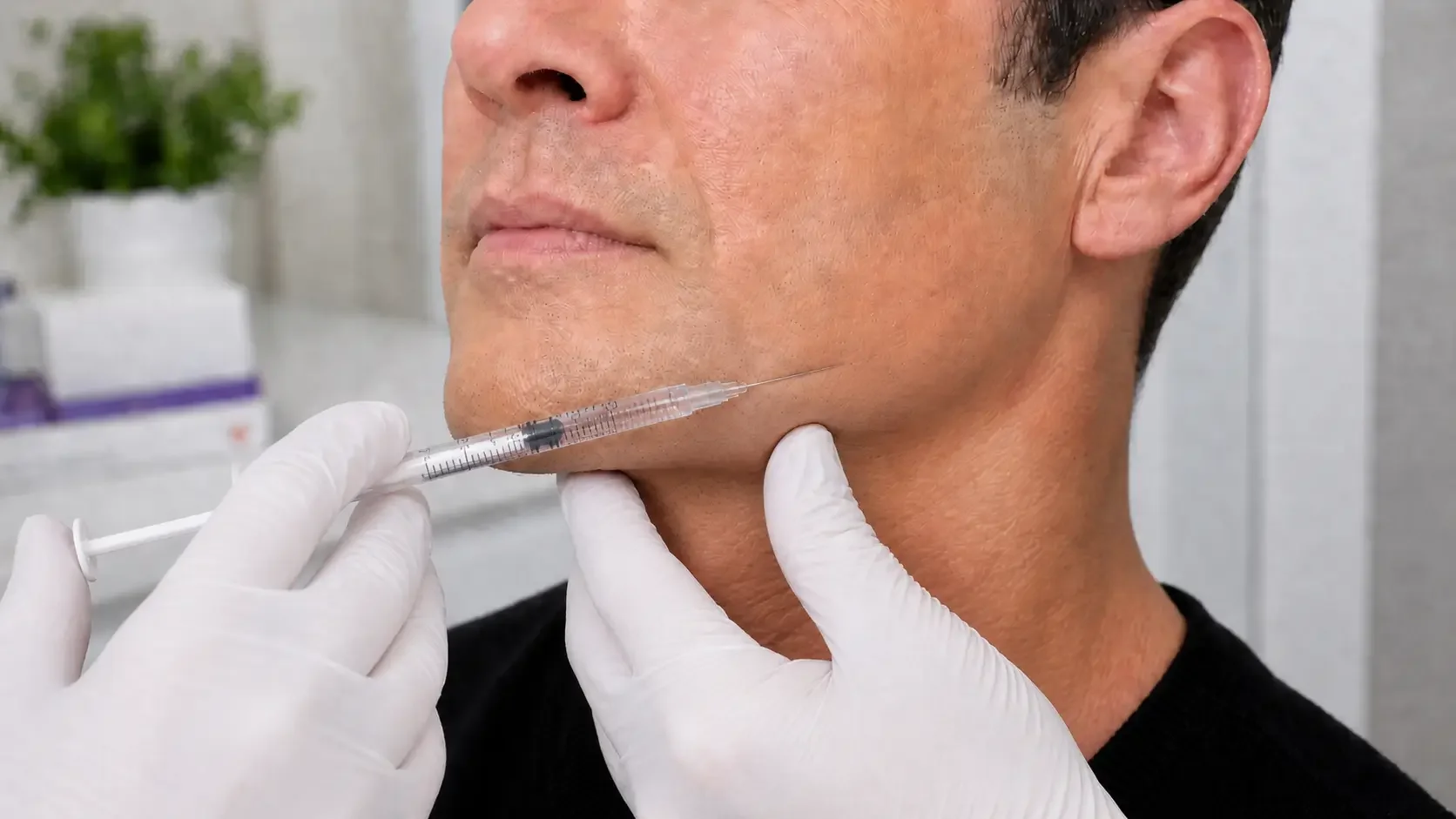
A physician-guided approach to jaw enhancement
The jawline is not an isolated feature. It connects with the chin, marionette area, lower cheeks, neck, and overall facial structure. A natural jawline result requires more than simply placing filler along the jaw.
Dr. Sodeifievaluates the lower face as a whole, including jawline shape, chin projection, jowl area, skin laxity, facial volume, asymmetry, and whether filler is likely to improve the concern safely and naturally.
The goal is not a sharp, exaggerated, or overly sculpted jawline. The goal is subtle structural support and facial balance.
What jawline filler may help improve
Jawline filler may help selected patients with:
Mild jawline softness or loss of definition
Lower-face imbalance related to weak jawline support
Early shadowing near the jowl area
Asymmetry along the lower face
A more supported, refined lower-face appearance
The best jawline filler results should still look like your natural facial structure — just more balanced and defined.
Why the jawline changes over time
The jawline can appear less defined over time because of several factors, including bone support changes, facial volume shifts, skin laxity, collagen loss, weight changes, genetics, and changes in the relationship between the chin, lower cheeks, and neck.
Not every jawline concern is best treated with filler. Some patients need chin support. Some need cheek or lower-face balancing. Some may have skin laxity or tissue descent that filler cannot fully correct.
This is why consultation and anatomy-based planning are important.
How jawline filler works
Jawline filler is typically performed with hyaluronic acid dermal filler placed strategically to add support, contour, or structure along selected areas of the lower face.
Treatment planning depends on:
Jawline shape
Chin projection
Lower-face width
Facial asymmetry
Skin thickness
Skin laxity
Jowl-area shadowing
Cheek and midface support
Prior filler history
Desired level of definition
Whether chin filler, marionette filler, or cheek support should also be considered
The goal is conservative enhancement that supports the lower face without making it look heavy or overfilled.
Jawline filler vs. chin filler
Jawline filler and chin filler are related but not the same.
Jawline filler focuses on the line of the lower face, including contour, definition, and support along the jaw.
Chin fillerfocuses on chin projection, shape, and lower-face balance.
Some patients benefit from one area. Others benefit from a combined chin-and-jawline approach. During consultation, Dr. Sodeifi evaluates whether the concern is truly jawline definition, chin support, lower-face volume, skin laxity, or a combination.
Jawline filler vs. masseter slimming Botox
Jawline filler adds structural support and definition. Masseter slimming Botox reduces activity and bulk in enlarged jaw muscles.
These treatments are very different. If the lower face appears wide because of strong masseter muscles, filler may not be the best first treatment. If the lower face lacks structure or definition, jawline filler may be more appropriate.
The best choice depends on whether the concern is bone structure, muscle bulk, soft tissue support, facial volume, or skin laxity.
Pricing
Jawline filler pricing depends on anatomy, treatment goals, product selection, and the number of syringes used.
For the most current pricing, please see the filler pricing page or contact the office at (925) 726-3876.
Who may be a good candidate
Jawline filler may be appropriate for patients who want subtle improvement in lower-face definition and facial balance.
It may be a good fit for patients who:
Have mild to moderate jawline softness
Want more lower-face structure without surgery
Notice imbalance between the chin, jawline, and lower cheeks
Prefer natural-looking refinement rather than dramatic reshaping
Want physician-performed filler rather than a medspa-style approach
Understand that results depend on anatomy and tissue support
Candidacy is determined during consultation based on anatomy, goals, medical history, prior treatments, facial proportions, and safety considerations.
Who may not be a good candidate
Jawline filler may not be ideal for every patient. If the main concern is significant skin laxity, heavy jowling, loose neck skin, excess lower-face fullness, or a desire for a dramatic surgical-level change, filler alone may not create the desired result.
Patients with substantial lower-face heaviness, excess prior filler, unrealistic expectations, or anatomy that would be better addressed with another approach may need a different plan.
Dr. Sodeifi will recommend treatment only when it is likely to create a balanced, natural-looking improvement.
What jawline filler cannot do
Jawline filler cannot replace a facelift, neck lift, surgical jaw contouring, or weight loss. It cannot remove loose skin, eliminate jowls completely, change bone structure permanently, or create the same result in every patient.
It may improve definition and support in selected patients, but the result should be expected to look refined and natural rather than extreme.
Safety considerations
Jawline filler requires careful attention to facial anatomy, vascular anatomy, tissue depth, product choice, and injection plane. The lower face has important vessels, nerves, muscles, and dynamic movement patterns, so precise placement matters.
Common temporary effects may include swelling, bruising, tenderness, redness, and occasional lumpiness that often settles as swelling resolves. Hyaluronic acid filler concerns can sometimes be treated with hyaluronidase depending on the situation and timing.
What to expect
Treatment is performed in-office after Dr. Sodeifievaluates your lower-face anatomy, jawline shape, chin support, skin quality, and treatment goals. Filler placement is customized based on whether the goal is subtle definition, structural support, asymmetry correction, or overall lower-face balance.
You may notice improvement immediately, although swelling and tenderness can temporarily affect the early appearance. Final settling depends on product selection, placement, anatomy, and your individual healing pattern. You will receive individualized aftercare instructions based on your treatment.
Related treatments
Patients considering jawline filler may also be interested in:
Chin Filler
Marionette Lines Filler
Cheek Filler
Smile Lines / Nasolabial Folds Filler
Masseter Slimming Botox
Nefertiti Lift / Neck Bands Botox
SkinPen Microneedling for skin texture and quality
The best plan depends on whether the concern is jawline structure, chin support, muscle bulk, lower-face folds, skin laxity, or overall facial balance.
Frequently Asked Questions (FAQ) About Jawline Enhancement With Filler
-
Jawline filler is a dermal filler treatment used to support or refine the lower-face contour. It may help improve jawline definition and facial balance in selected patients.
-
In this context, yes. “Jaw enhancement” is a broader term, while “jawline filler” is the more common patient search term.
-
It may improve definition in selected patients, but the goal at NeuroBeauty Clinic is natural-looking refinement, not an exaggerated or overly sharp jawline.
-
Jawline filler may soften mild shadowing or improve support in selected patients, but it cannot remove significant jowls or loose skin. More advanced laxity may require other treatments.
-
Not necessarily. Jawline filler and chin filler treat different aspects of lower-face balance. Some patients need jawline support, some need chin support, and some benefit from both.
-
They do different things. Jawline filler adds structure and definition. Masseter Botox reduces enlarged jaw muscle activity and bulk. The right treatment depends on whether the concern is structure, muscle, volume, or skin laxity.
-
It depends on anatomy, jawline shape, chin support, treatment goals, and whether one or both sides need support. Pricing and syringe recommendations are reviewed during consultation.
-
Common temporary effects include swelling, bruising, tenderness, redness, and occasional lumpiness. Rare but serious vascular complications can occur with dermal filler, which is why anatomy-guided physician treatment is important.
Schedule a consultation
NeuroBeauty is located in Walnut Creek, California, and serves patients from Lafayette, Danville, Alamo, San Ramon, Pleasant Hill, Concord, and the greater East Bay. If you are considering jawline filler or jaw enhancement in Walnut Creek, NeuroBeauty Clinic offers a physician-performed, anatomy-guided approach focused on subtle, natural-looking lower-face balance.
Call (925) 726-3876 or request a consultation online, and our office will contact you directly to discuss availability and next steps.
Page details
Jawline Filler in Walnut Creek
Physician-performed jawline filler in Walnut Creek. Anatomy-guided jaw enhancement to refine lower-face structure with natural-looking balance.
Jawline Filler in Walnut Creek
Physician-performed jawline filler in Walnut Creek. Anatomy-guided jaw enhancement to refine lower-face structure with natural-looking balance.