
Frown Line Botox in Walnut Creek
Frown lines, often called “11” lines, are the vertical lines that form between the eyebrows from repeated facial expression. They may appear when concentrating, squinting, reading, driving, or feeling stressed. Over time, these lines can become visible even when the face is relaxed, creating an unintentionally tense, tired, or stern appearance.
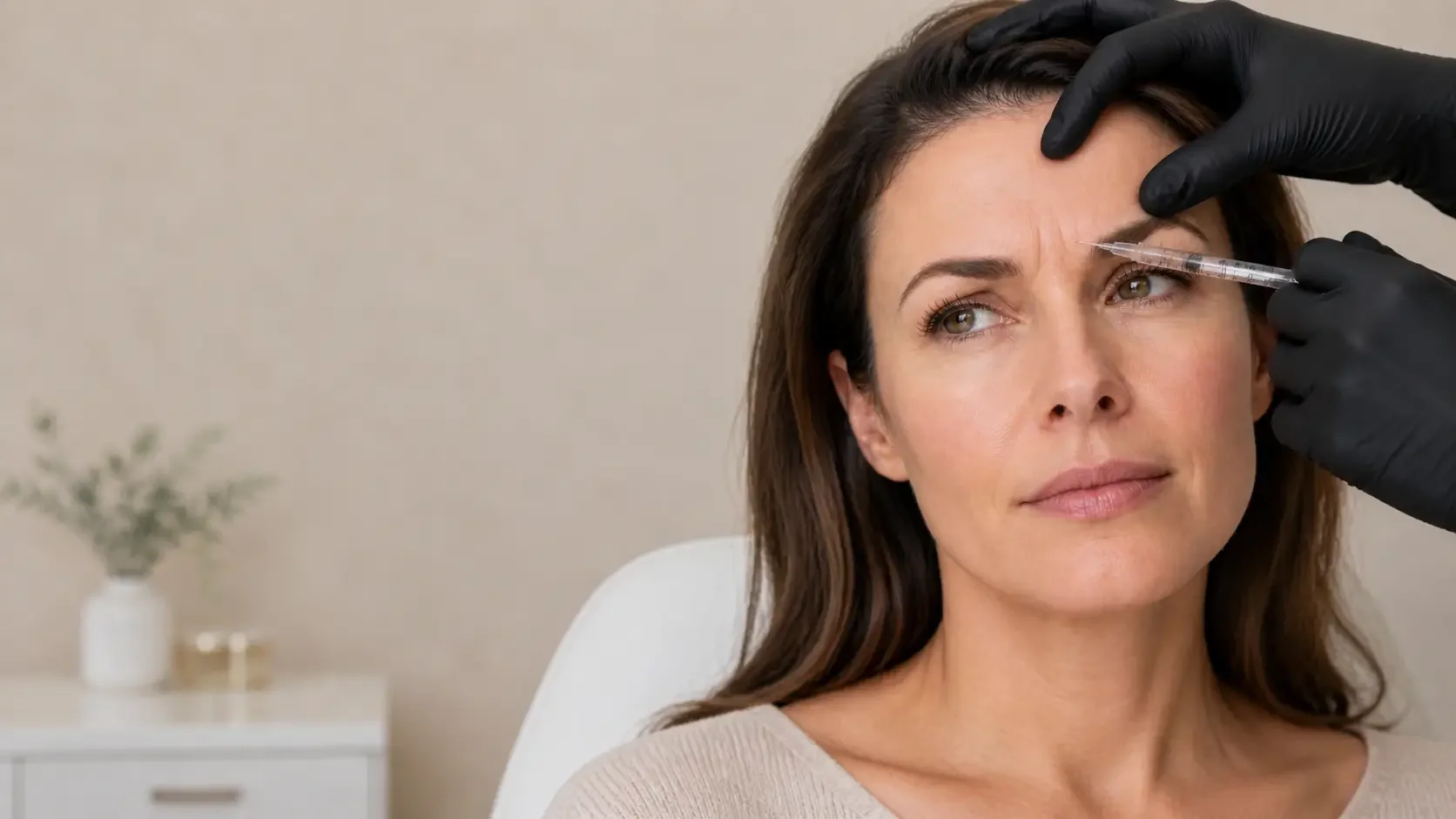
At NeuroBeauty Clinic in Walnut Creek, frown lines Botox is performed exclusively by Dr. Negar Sodeifi, MD, a neurologist. Treatment is guided by facial anatomy, muscle movement, symmetry, and the goal of softening the expression while preserving a natural, balanced appearance.
A physician-guided approach to “11” lines
The frown line area is one of the most common and effective areas for Botox treatment, but precision still matters. The muscles between the brows are small, strong, and closely connected to brow position, eyelid anatomy, and facial expression.
When treatment is placed carefully, Botox can soften the downward and inward pull that creates the “11” lines. When placed too aggressively or without attention to anatomy, treatment may affect brow shape, expression, or facial balance.
Dr. Sodeifi’s approach is conservative, anatomy-guided, and individualized. The goal is not to erase expression or create a frozen look. The goal is to reduce excessive frowning and help the face appear softer, calmer, and more refreshed.
What frown lines Botox can help improve
Frown lines Botox may help:
Soften vertical lines between the eyebrows
Reduce the appearance of “11” lines
Relax excessive frowning or squinting patterns
Create a softer, more rested upper-face appearance
Improve facial balance when combined with forehead or crow’s feet treatment
Many patients choose this treatment because they feel their face looks more serious, tired, or stressed than they actually feel.
Why frown lines develop
Frown lines are caused by repeated contraction of the glabellar muscle group, including the corrugator and procerus muscles. These muscles pull the brows inward and downward, creating vertical creases between the eyebrows and sometimes a horizontal crease near the top of the nose.
Over time, repeated muscle movement, collagen loss, and skin changes can cause these lines to become deeper and more visible at rest. Botox works best on the movement component of these lines, especially when treatment is started before the lines become deeply etched.
How Botox works for frown lines
Botox temporarily reduces targeted muscle activity in the frown line area. By relaxing the muscles that pull the brows together, Botox can soften the crease between the eyebrows and reduce the repeated movement that contributes to deeper lines over time.
Treatment planning depends on several factors, including:
Muscle strength
Brow position
Facial asymmetry
Depth of the lines
Whether the lines are present only with movement or also at rest
Whether forehead lines or crow’s feet are also contributing to upper-face balance
Because the frown muscles interact with the forehead and brow, Dr. Sodeifi evaluates the entire upper face before recommending a treatment plan.
Pricing
Frown lines Botox pricing depends on anatomy, muscle strength, dosing, and whether treatment is combined with other upper-face areas.
For the most current pricing, please see the Botox pricing page or contact the office at (925) 726-3876.
Who may be a good candidate
Frown lines Botox may be appropriate for patients who are bothered by vertical lines between the brows and want a natural-looking improvement without changing their facial identity.
It may be a good fit for patients who:
Notice “11” lines when concentrating or squinting
Look tense, tired, or stern even when relaxed
Want a subtle, refreshed appearance
Prefer physician-performed Botox rather than a medspa-style approach
Value conservative dosing and natural expression
Candidacy is determined during consultation based on anatomy, goals, medical history, and treatment expectations.
What frown lines Botox cannot do
Botox can soften movement-related frown lines, but it may not fully erase deeply etched lines that are visible at rest. If lines have become more fixed due to long-standing creasing, collagen loss, or skin texture changes, additional treatments may be discussed.
For some patients, Botox may be combined with other approaches such as SkinPen microneedling or dermal fillers to support skin quality and collagen remodeling over time.
What to expect
Treatment is typically brief and performed in-office. Dr. Sodeifi evaluates your natural expression, brow movement, muscle strength, and facial symmetry before placing Botox in a customized pattern.
Results develop gradually over several days, with the full effect typically visible around 10–14 days. Most cosmetic Botox results last several months, although duration varies depending on dose, metabolism, muscle strength, and treatment pattern.
Related treatments
Patients considering frown lines Botox may also be interested in:
SkinPen Microneedling for etched lines and skin texture
The best approach depends on whether the concern is primarily muscle movement, skin quality, brow position, or overall upper-face balance.
Frequently Asked Questions (FAQ) About Botox for Frown Lines (11 Lines)
-
Yes. “11” lines are the vertical lines between the eyebrows that often appear with frowning, squinting, or concentration.
-
Not when treatment is planned conservatively. The goal is to soften excessive frowning while preserving natural facial expression. Dr. Sodeifi customizes treatment based on your anatomy, muscle strength, and desired degree of movement reduction.
-
Botox can soften the movement that contributes to frown lines, but deeply etched lines may not fully disappear with Botox alone. If the lines are present at rest, additional skin-quality treatments, such as dermal fillers, may be discussed.
-
Many patients notice results for about 3–4 months, although duration varies based on metabolism, muscle strength, dose, and treatment pattern.
-
Sometimes. The frown muscles and forehead muscle work together to influence brow position and upper-face balance. Some patients benefit from treating both areas, while others are better served by starting with frown lines alone.
-
Most patients tolerate treatment well. The injections are brief, and any discomfort is usually mild and temporary.
Schedule a consultation
NeuroBeauty is located in Walnut Creek, California, and serves patients from Lafayette, Danville, Alamo, San Ramon, Pleasant Hill, Concord, and the greater East Bay. If you are considering Botox for frown lines in Walnut Creek, NeuroBeauty Clinic offers a physician-performed, anatomy-guided approach focused on subtle, natural-looking results.
Call (925) 726-3876 or request a consultation online, and our office will contact you directly to discuss availability and next steps.
Page details
Frown Line Botox in Walnut Creek
Physician-performed Botox for frown lines and “11” lines in Walnut Creek. Anatomy-guided treatment to soften lines between the brows while preserving natural expression.
Frown Lines Botox in Walnut Creek
Physician-performed Botox for frown lines and “11” lines in Walnut Creek. Anatomy-guided treatment to soften lines between the brows while preserving natural expression.