Bunny Lines Botox in Walnut Creek
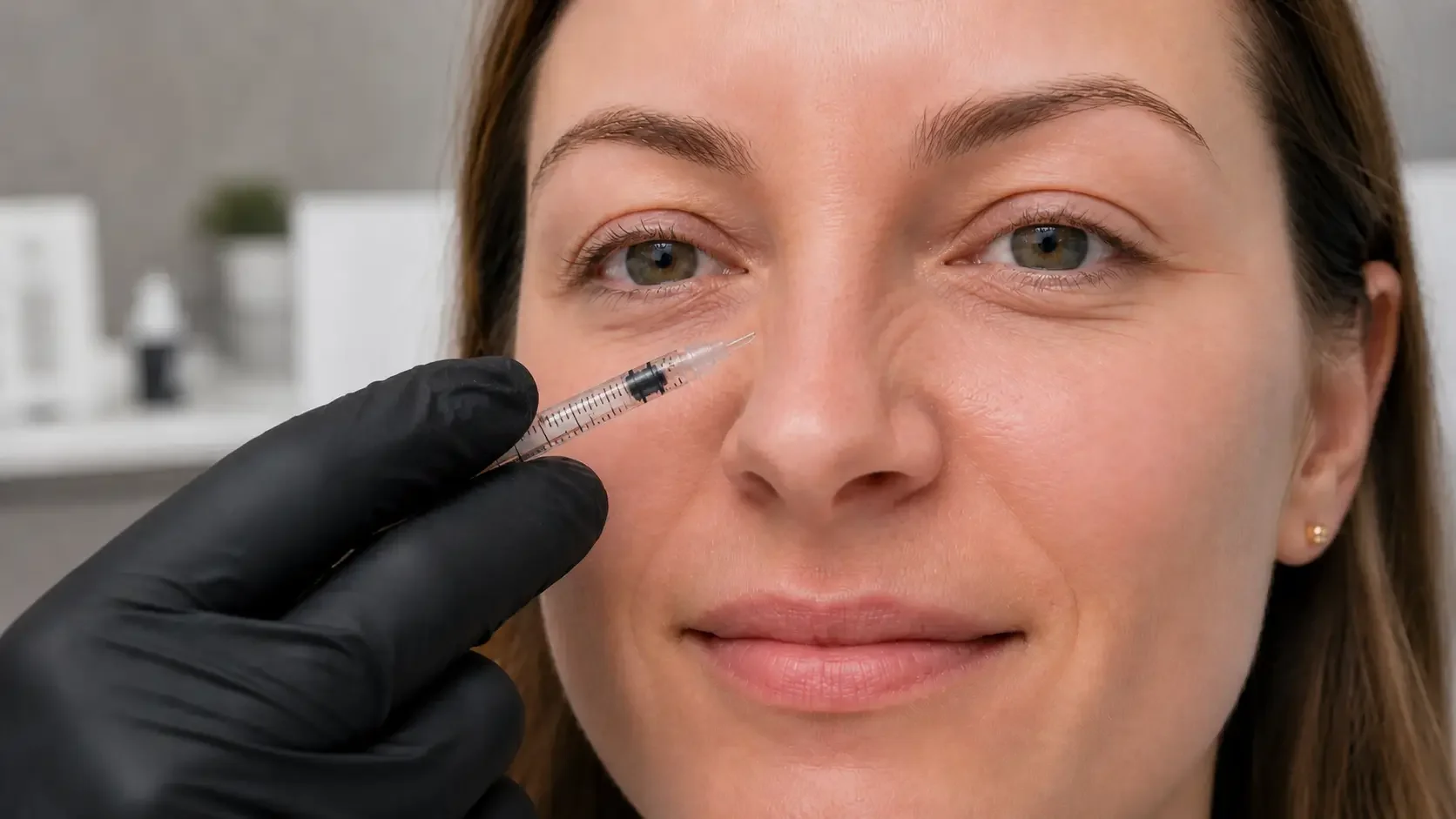
Bunny lines are the small diagonal or horizontal lines that appear along the sides of the nose when smiling, laughing, squinting, or scrunching the face. They are sometimes called nose wrinkles or nasal scrunch lines. For some patients, these lines are subtle and only appear with expression. For others, they become more noticeable over time and may draw attention to the center of the face.
At NeuroBeauty Clinic in Walnut Creek, bunny lines Botox is performed exclusively by Dr. Negar Sodeifi, MD, a neurologist. Treatment is guided by facial anatomy, muscle movement, symmetry, and the goal of softening nose wrinkles while preserving natural expression.
A physician-guided approach to nose wrinkles
Bunny lines are a small treatment area, but they still require precision. The muscles around the nose interact with smiling, squinting, the upper lip, and the central face. Over-treating this area can affect natural facial movement or create an unnatural expression.
Dr. Sodeifi takes a conservative, anatomy-guided approach. The goal is not to eliminate every small expression line. The goal is to reduce excessive nasal scrunching and soften lines that distract from the overall balance of the face.
NeuroBeauty Clinic’s broader consultation approach is based on anatomy, facial movement patterns, skin quality, prior treatments, medical history, and safety considerations rather than standardized dosing.
What bunny lines Botox can help improve
Bunny lines Botox may help:
Soften lines along the sides of the nose
Reduce excessive nasal scrunching with expression
Improve central-face smoothness
Create a more balanced appearance when combined with other Botox areas
Preserve natural facial movement when conservatively dosed
Bunny lines are often treated as a small refinement area, especially for patients who already receive Botox in the forehead, frown lines, or crow’s feet.
Why bunny lines develop
Bunny lines usually develop from repeated contraction of small muscles around the upper nose, especially during smiling, squinting, or facial scrunching. They may become more noticeable with age, sun exposure, skin thinning, or increased compensatory movement after Botox in nearby areas.
Some patients notice bunny lines more after forehead,frown line, or crow’s feet Botox because the central nose muscles may become relatively more noticeable when other upper-face movement is softened. This does not mean something went wrong; it simply means the face moves as an interconnected system.
How Botox works for bunny lines
Botox temporarily reduces targeted muscle activity around the sides of the nose. When placed precisely and conservatively, it can soften the movement that creates bunny lines without changing your smile or making the central face look stiff.
Treatment planning depends on several factors, including:
Where the lines appear
Whether lines are present only with movement or also at rest
How strongly the nose scrunches with smiling or squinting
Whether frown lines, forehead lines, or crow’s feet are also being treated
Whether prior Botox has changed surrounding movement patterns
Facial symmetry and natural expression
Because bunny lines are close to important smile and upper-lip movement patterns, conservative dosing is important.
Pricing
Bunny lines Botox pricing depends on anatomy, muscle strength, dosing, and whether the area is treated alone or combined with other Botox areas.
For the most current pricing, please see the Botox pricing page or contact the office at (925) 726-3876.
Who may be a good candidate
Bunny lines Botox may be appropriate for patients who are bothered by nose wrinkles or nasal scrunch lines and want a subtle, natural-looking improvement.
It may be a good fit for patients who:
Notice lines on the sides of the nose when smiling or squinting
Feel the nose area looks overly wrinkled with expression
Want a small refinement rather than a major facial change
Already receive Botox in nearby upper-face areas
Prefer physician-performed Botox and conservative dosing
Candidacy is determined during consultation based on anatomy, goals, medical history, and treatment expectations.
What bunny lines Botox cannot do
Botox can soften movement-related bunny lines, but it may not fully erase deeply etched lines that are visible at rest. It also does not treat pigmentation, skin texture, pores, sun damage, or deeper structural changes around the nose.
If the concern is primarily skin quality or etched texture rather than muscle movement, Dr. Sodeifi may discuss other options such as SkinPen microneedling or PRP microneedling depending on candidacy and goals.
What to expect
Treatment is typically brief and performed in-office. Dr. Sodeifi evaluates your facial expression, nose scrunch pattern, smile movement, and nearby Botox treatment areas before placing Botox in a customized pattern.
Most patients begin to notice Botox changes within several days, with final cosmetic results typically visible by about 10–14 days. Cosmetic Botox commonly lasts about 3–4 months, although duration varies based on metabolism, muscle strength, dose, and treatment area.
Common side effects may include temporary redness, swelling, soreness, or bruising at injection sites. Serious complications are uncommon in cosmetic dosing but are possible with any botulinum toxin product, and aftercare should be tailored to the areas treated.
Related treatments
Patients considering bunny lines Botox may also be interested in:
SkinPen Microneedling for skin texture and fine lines
PRP Microneedling for regenerative skin-quality support
The best plan depends on whether the concern is muscle movement, skin quality, facial balance, or a combination of factors.
Frequently Asked Questions (FAQ) about Botox for Bunny Lines
-
Bunny lines are the small lines that appear on the sides of the nose when smiling, squinting, laughing, or scrunching the face. They are also called nose wrinkles or nasal scrunch lines.
-
Yes, in selected patients. Botox can be placed in small, targeted doses to soften the muscle movement that creates bunny lines. The goal is subtle softening, not complete immobilization.
-
Movement-related lines can become more visible at rest over time, especially with repeated expression, collagen loss, and skin thinning. Botox may soften the movement component, but deeply etched lines may need additional skin-quality treatment.
-
It should not when carefully placed and conservatively dosed. However, because the treatment area is close to smile-related muscles, precise placement matters.
-
Many patients notice cosmetic Botox results for about 3–4 months, although duration varies based on dose, metabolism, muscle strength, and treatment pattern.
-
No. Bunny lines are usually a small refinement area. Many patients treat them as part of a broader upper-face Botox plan.
-
Some patients notice bunny lines more after treating the forehead, frown lines, or crow’s feet because surrounding movement has been softened and nasal scrunching becomes more noticeable. The face works as a connected muscle system.
Schedule a consultation
NeuroBeauty is located in Walnut Creek, California, and serves patients from Lafayette, Danville, Alamo, San Ramon, Pleasant Hill, Concord, and the greater East Bay. If you are considering Botox for bunny lines or nose wrinkles in Walnut Creek, NeuroBeauty Clinic offers a physician-performed, anatomy-guided approach focused on subtle, natural-looking results.
Call (925) 726-3876 or request a consultation online, and our office will contact you directly to discuss availability and next steps.
Page details
Bunny Lines Botox in Walnut Creek
Physician-performed Botox for bunny lines and nose wrinkles in Walnut Creek. Anatomy-guided treatment to soften nasal scrunch lines while preserving natural expression.
Bunny Lines Botox in Walnut Creek
Physician-performed Botox for bunny lines and nose wrinkles in Walnut Creek. Anatomy-guided treatment to soften nasal scrunch lines while preserving natural expression.