Three-Area Upper Face Botox in Walnut Creek
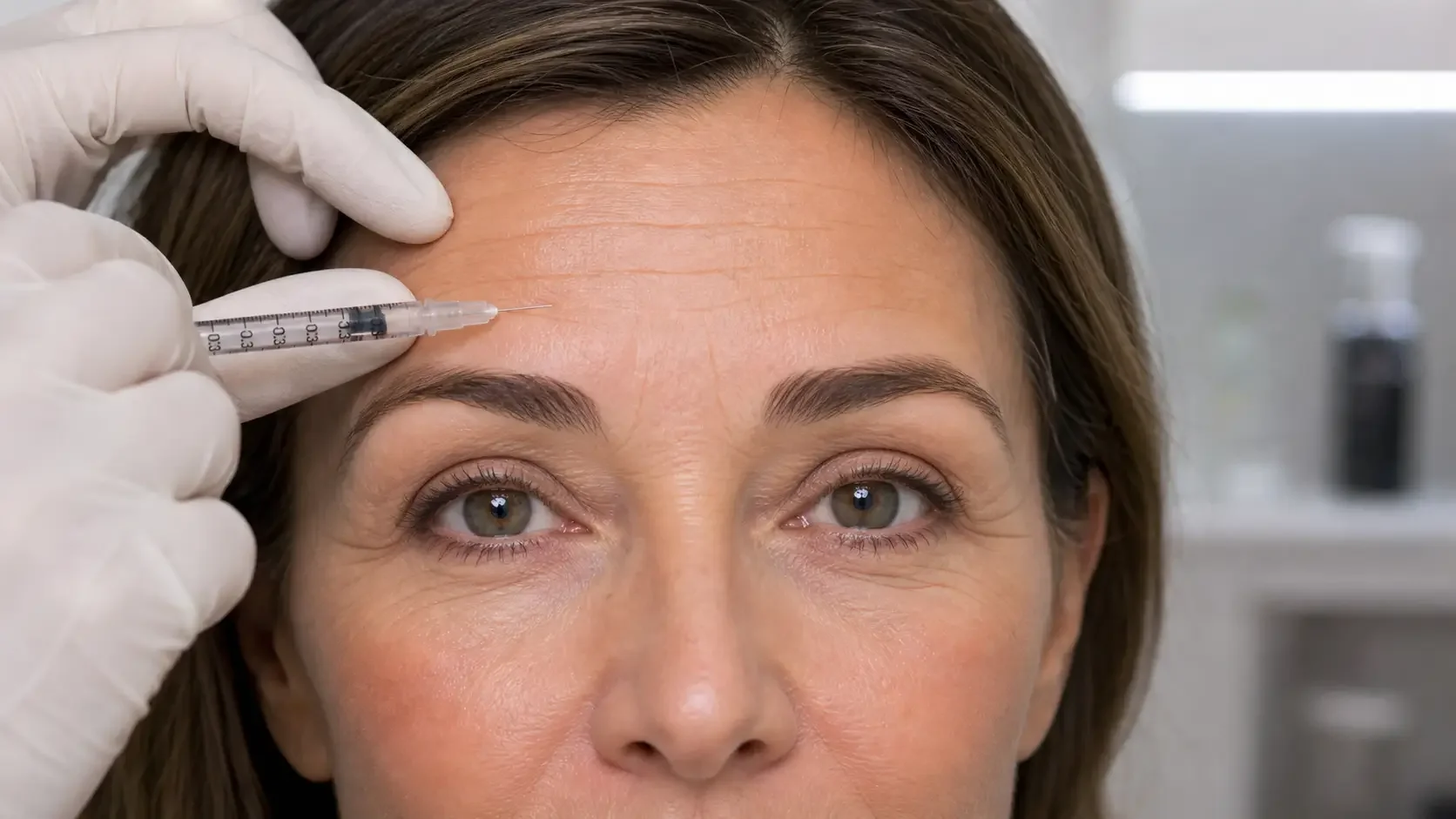
Three-area upper face Botox is a comprehensive cosmetic Botox treatment for the most common upper-face expression areas: forehead lines, frown lines, and eye contour lines, also known as crow’s feet.
At NeuroBeauty Clinic in Walnut Creek, three-area upper face Botox is performed exclusively by Dr. Negar Sodeifi, MD, a neurologist. Treatment is guided by facial anatomy, brow position, eye movement, muscle strength, symmetry, and the goal of softening lines while preserving natural expression.
A balanced approach to the full upper face
The upper face works as a connected system. The forehead muscle lifts the brows. The frown muscles pull the brows inward and downward. The muscles around the eyes contribute to smiling, squinting, eyelid support, crow’s feet, and lateral brow position.
Because these areas influence each other, treating all three together can sometimes create a more balanced result than treating isolated areas separately. The goal is not to freeze the face. The goal is to soften excessive movement, reduce visible lines, and help the upper face look more relaxed, rested, and natural.
Dr. Sodeifi uses a conservative, anatomy-guided approach. This is especially important in the upper face because small changes in Botox placement or dosing can affect brow height, eyelid heaviness, eye expression, and overall facial balance.
What three-area upper face Botox may help improve
Three-area upper face Botox may help:
Soften horizontal forehead lines
Reduce vertical “11” lines between the brows
Soften crow’s feet at the outer corners of the eyes
Relax excessive frowning, squinting, or brow tension
Improve upper-face balance
Create a more rested, relaxed appearance
Preserve natural expression when carefully planned
This treatment is often appropriate for patients who notice multiple upper-face areas contributing to a tired, tense, stressed, or aged appearance.
What areas are included?
Three-area upper face Botox typically includes:
Forehead lines
Horizontal lines caused by lifting the eyebrows.
Frown lines
Vertical “11” lines between the brows caused by frowning, concentration, squinting, or stress.
Eye contours / crow’s feet
Lines around the outer corners of the eyes caused by smiling, laughing, squinting, or repeated eye-area movement.
This is different from a two-area combination because it addresses the full upper-face movement pattern rather than only part of it.
Why upper-face balance matters
A full upper-face Botox treatment should not be planned as three unrelated injections. The forehead, brows, and eye contours interact.
If the forehead is treated too strongly, the brows may feel heavy. If the frown lines are under-treated, the central brow may still look tense. If the eye contours are treated too aggressively, the smile can look less natural.
A thoughtful three-area plan allows Dr. Sodeifi to evaluate the upper face as a complete system and adjust dosing based on your anatomy, expression, and goals.
How Botox works for the upper face
Cosmetic Botox temporarily reduces targeted muscle activity. In the forehead, it softens the movement that creates horizontal lines. Between the brows, it relaxes the muscles that create “11” lines. Around the outer eyes, it reduces excessive creasing from smiling or squinting while preserving natural eye expression.
Treatment planning depends on:
Brow height and shape
Eyelid anatomy
Smile and squint movement
Facial asymmetry
Desired degree of movement
Prior Botox history
Risk of brow heaviness or overcorrection
Because the upper face is highly expressive, the best treatment plan is individualized rather than standardized.
Pricing
Three-area upper face Botox pricing depends on anatomy, muscle strength, wrinkle depth, dosing, and treatment pattern.
For the most current pricing, please see the Botox pricing page or contact the office at (925) 726-3876.
Who may be a good candidate
Three-area upper face Botox may be appropriate for patients who want a more complete upper-face refresh while still looking natural.
It may be a good fit for patients who:
Notice forehead lines, frown lines, and crow’s feet
Feel the upper face looks tired, tense, stressed, or less refreshed
Want a coordinated Botox plan rather than treating one area at a time
Prefer a natural-looking result rather than a frozen appearance
Want physician-performed Botox rather than a medspa-style approach
Value conservative dosing and anatomy-guided treatment planning
Candidacy is determined during consultation based on anatomy, facial movement, brow position, medical history, prior treatments, and treatment expectations.
Who may not be a good candidate
Three-area upper face Botox may not be ideal for every patient. Some patients are better served by treating one or two areas first, especially if they have naturally low brows, eyelid heaviness, marked asymmetry, very strong forehead compensation, or concern about preserving maximum movement.
Patients with deeply etched lines at rest may still benefit from Botox, but they should understand that Botox may soften the movement component rather than fully erase static lines.
Dr. Sodeifi will recommend the most conservative plan that fits your anatomy and goals.
What three-area upper face Botox cannot do
Cosmetic Botox can soften movement-related lines, but it cannot remove loose eyelid skin, replace eyelid surgery, restore lost facial volume, correct all skin texture concerns, or fully erase deeply etched lines that are visible at rest.
If skin texture, crepey skin, sun damage, or etched lines are major concerns, treatments such as SkinPen microneedling, PRP microneedling or dermal fillers may be discussed as part of a broader skin-quality plan.
What to expect
Treatment is performed in-office after Dr. Sodeifievaluates your forehead movement, frown pattern, brow position, eye contour lines, smile pattern, and overall upper-face balance. Injections are brief and placed in a customized pattern based on your anatomy.
For most cosmetic Botox treatment areas, final results are typically apparent by about 10–14 days. Cosmetic Botox commonly lasts about 3–4 months, although duration varies by metabolism, muscle strength, dose, and treatment pattern.
Common side effects may include temporary redness, swelling, soreness, or bruising at injection sites. Rare but serious botulinum toxin complications can occur, including symptoms related to distant spread of toxin effect, although these events are uncommon with cosmetic dosing.
Related treatments
Patients considering three-area upper face Botox may also be interested in:
SkinPen Microneedling for fine lines and texture
PRP Microneedling for skin-quality support
The best plan depends on whether your concern is muscle movement, brow position, eye contour lines, skin quality, or overall upper-face balance.
Frequently Asked Questions (FAQ) About Three Area Upper Face Botox
-
Three-area upper face Botox treats the three most common cosmetic upper-face Botox areas: forehead lines,frown lines, and eye contours or crow’s feet.
-
This treatment typically includes the forehead, the frown lines between the brows, and the crow’s feet around the outer corners of the eyes.
-
Not always. Three-area treatment can be helpful when multiple upper-face areas are contributing to the concern. Some patients are better served by treating one or two areas first depending on anatomy, brow position, and goals.
-
The goal is not a frozen look. Dr. Sodeifi uses a conservative, anatomy-guided approach to soften excess movement while preserving natural facial expression.
-
The forehead muscle helps lift the brows, while the frown muscles pull the brows inward and downward. Botox dosing must account for this balance to reduce the risk of brow heaviness or an unnatural look.
-
No. Baby Botox usually refers to lighter dosing for subtle softening. Three-area upper face Botox refers to the number of treatment areas. A three-area plan can still be conservative, but it is not automatically Baby Botox.
-
Many patients notice cosmetic Botox results for about 3–4 months, although duration varies based on metabolism, dose, muscle strength, and treatment pattern.
-
Cosmetic Botox can soften the movement that contributes to these lines, but deeply etched lines may not fully disappear without dermal filler treatment. If lines are visible even at rest, skin-quality treatments, such as microneedling may be discussed depending on goals and candidacy.
Schedule a consultation
NeuroBeauty is located in Walnut Creek, California, and serves patients from Lafayette, Danville, Alamo, San Ramon, Pleasant Hill, Concord, and the greater East Bay. If you are considering three-area upper face Botox in Walnut Creek, NeuroBeauty Clinic offers a physician-performed, anatomy-guided approach focused on subtle, natural-looking results.
Call (925) 726-3876 or request a consultation online, and our office will contact you directly to discuss availability and next steps.
Page details
Three-Area Upper Face Botox in Walnut Creek
Physician-performed three-area upper face Botox in Walnut Creek for forehead lines, frown lines, and crow’s feet with natural-looking expression.
Three-Area Upper Face Botox in Walnut Creek
Physician-performed three-area upper face Botox in Walnut Creek for forehead lines, frown lines, and crow’s feet with natural-looking expression.