

Trigeminal Neuralgia and Facial Pain Botox in Walnut Creek
Trigeminal neuralgia is a neurologic pain disorder that can cause sudden, severe, electric shock-like facial pain. Pain may occur in brief attacks and can be triggered by light touch, chewing, brushing teeth, talking, washing the face, shaving, or exposure to wind.
At NeuroBeauty Clinic in Walnut Creek, evaluation for trigeminal neuralgia and selected facial pain patterns is performed by Dr. Negar Sodeifi, MD, a neurologist. Treatment planning is based on diagnosis, pain distribution, trigeminal nerve branch involvement, prior treatments, medical history, and whether Botox may be appropriate as part of an individualized plan.
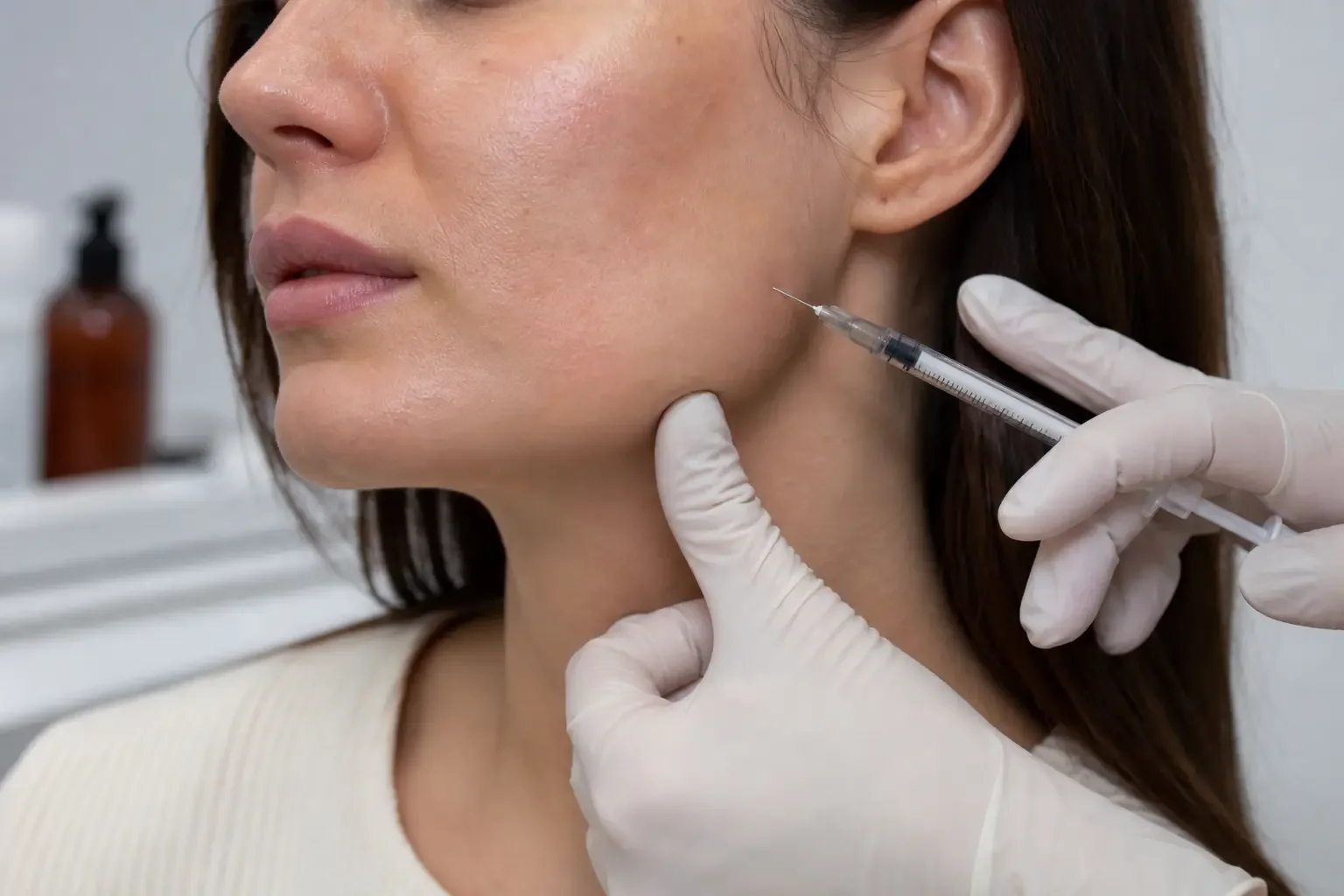
How Botox may be used for trigeminal neuralgia
Botox is not the first-line treatment for trigeminal neuralgia. Standard medical treatment often begins with medications that reduce nerve pain signaling.
However, in selected patients with persistent or medication-limited trigeminal neuralgia, Botox may be considered as an individualized, off-label treatment option. Treatment may involve small, carefully placed injections in the painful facial distribution or trigger-zone pattern, depending on anatomy and symptoms.
The goal is not cosmetic change. The goal is to reduce pain signaling or attack burden in a medically appropriate, conservative way.
Evidence and limitations
The evidence for botulinum toxin type A in trigeminal neuralgia is promising but still limited. Studies and reviews suggest it may reduce pain intensity or attack frequency in some patients, but it is not a universal treatment and does not replace standard neurologic care.
Botox may be considered for selected patients, especially when symptoms fit a neuropathic facial pain pattern and prior treatment history supports considering additional options. It should not be thought of as a cure.
Trigeminal neuralgia vs. TMJ pain
Trigeminal neuralgia and TMJ-related pain can both affect the face and jaw, but they are different problems.
Trigeminal neuralgia typically causes brief, shock-like nerve pain triggered by touch or movement.
TMJ-related pain often involves jaw joint pain, jaw muscle soreness, clenching, grinding, chewing discomfort, or masseter/temporalis muscle tension.
Some patients have overlapping symptoms. Dr. Sodeifievaluates the pattern before deciding whether the concern is primarily nerve pain, jaw muscle overactivity, migraine-related pain, dental pain, or another cause.
Trigeminal neuralgia vs. hemifacial spasm
Trigeminal neuralgia is primarily a pain disorder involving the trigeminal nerve.
Hemifacial spasm is primarily a movement disorder involving involuntary facial muscle contractions, usually on one side of the face.
Both are neurologic conditions and both may involve the face, but the diagnosis and treatment goals are different.
What to expect
Your visit begins with a focused review of the facial pain pattern, triggers, location, prior diagnoses, medication history, neurologic history, and prior imaging or treatment when available.
Dr. Sodeifievaluates whether symptoms are consistent with trigeminal neuralgia or another facial pain diagnosis. If Botox is considered appropriate, the treatment pattern is individualized based on the painful distribution, trigger zones, anatomy, and safety considerations.
Some patients may notice improvement over days to weeks. Duration varies, but botulinum toxin effects commonly last several months.
Safety considerations
Therapeutic Botox for facial pain requires careful placement because the treatment area may overlap with muscles involved in facial expression, chewing, eye closure, and mouth movement.
Possible side effects may include:
Injection-site discomfort
Bruising or tenderness
Temporary facial weakness
Smile asymmetry
Chewing weakness
Eyelid or brow asymmetry depending on placement
Dry eye or mouth-area changes depending on injection location
Incomplete response
Rare systemic botulinum toxin effects can occur, including generalized weakness, swallowing difficulty, breathing difficulty, or other distant spread symptoms. Treatment should be individualized and medically guided.
Who may be a good candidate
Botox may be considered for selected patients with trigeminal neuralgia or neuropathic facial pain patterns.
It may be a good fit for patients who:
Have facial pain consistent with trigeminal neuralgia
Have shock-like, stabbing, or triggerable facial pain
Have pain in a trigeminal nerve distribution
Have persistent symptoms despite prior treatment
Have difficulty tolerating standard medications
Need a neurologist-guided evaluation of facial pain
Understand that Botox is not guaranteed and may be off-label depending on the diagnosis
Candidacy is determined during consultation based on symptoms, diagnosis, medical history, prior treatments, facial anatomy, safety considerations, and whether Botox is appropriate.
Who may not be a good candidate
Therapeutic Botox may not be appropriate for every patient with facial pain.
It may not be the right treatment if symptoms are primarily caused by:
Dental disease
Sinus disease
Jaw joint disease
Cervical referral pain
Active infection
A new or unexplained neurologic problem
Structural lesions requiring further workup
Pain that does not fit a neuropathic pattern
Patients with certain neuromuscular disorders, allergy to botulinum toxin ingredients, active infection at the treatment site, pregnancy or breastfeeding depending on clinical judgment, or unrealistic expectations may not be good candidates.
What trigeminal neuralgia Botox cannot do
Therapeutic Botox cannot cure trigeminal neuralgia permanently, replace diagnostic imaging when indicated, replace first-line medical therapy, repair nerve compression, or guarantee pain relief.
It may help reduce pain burden in selected patients, but the response varies and repeat treatment may be needed if benefit is seen.
Pricing
Pricing for trigeminal neuralgia or facial pain Botox depends on diagnosis, treatment pattern, dose, number of areas treated, and clinical complexity.
Therapeutic Botox at NeuroBeauty Clinic is self-pay. Consultation or referral may be required to determine candidacy and expected benefit.
Please contact the office at (925) 726-3876for current therapeutic Botox pricing.
Related treatments
Patients considering trigeminal neuralgia or facial pain Botox may also be interested in:
The best plan depends on diagnosis, pain distribution, nerve involvement, muscle involvement, and prior treatment response.
Frequently Asked Questions About Botox For Trigeminal Neuralgia
-
Trigeminal neuralgia is a neuropathic facial pain disorder involving the trigeminal nerve. It often causes sudden, severe, electric shock-like pain on one side of the face.
-
Not exactly. Trigeminal neuralgia involves the trigeminal nerve, cranial nerve V, which carries sensation from the face. The facial nerve, cranial nerve VII, controls facial movement. Patients may use “facial nerve pain” casually, but medically these are different nerves.
-
Therapeutic Botox may help selected patients with trigeminal neuralgia or neuropathic facial pain patterns, but it is not first-line treatment and results vary. It should be considered only after careful diagnosis and individualized treatment planning.
-
Botox is FDA-approved for several neurologic conditions, but trigeminal neuralgia treatment is generally considered off-label.
-
Medication is generally first-line. Common options include anticonvulsant medications that reduce nerve pain signaling. If medications are not effective or cause intolerable side effects, other options, including procedures or surgery, may be considered.
-
No. TMJ Botox focuses on jaw muscle overactivity, clenching, grinding, and masseter/temporalis tension. Trigeminal neuralgia Botox is focused on nerve-related facial pain patterns.
-
No. Hemifacial spasm involves involuntary facial muscle contractions, often on one side. Trigeminal neuralgia is primarily a pain disorder.
-
Duration varies. When botulinum toxin is helpful, effects commonly last several months, but response and timing vary by patient and treatment pattern.
-
Risks may include bruising, tenderness, temporary facial weakness, smile asymmetry, chewing weakness, eyelid or brow asymmetry, incomplete response, and rare systemic botulinum toxin effects.
-
Some insurance plans cover Botox for certain therapeutic indications, but NeuroBeauty Clinic does not bill insurance for these services. Therapeutic Botox at this location is self-pay.
Schedule a consultation
NeuroBeauty is located in Walnut Creek, California, and serves patients from Lafayette, Danville, Alamo, San Ramon, Pleasant Hill, Concord, and the greater East Bay. If you are looking for evaluation of trigeminal neuralgia or facial pain in Walnut Creek, NeuroBeauty Clinic offers neurologist-performed treatment planning focused on diagnosis, anatomy, safety, and individualized care.
Call (925) 726-3876 or request a consultation online, and the office will contact you directly to discuss availability and next steps.
Page details
Trigeminal Neuralgia and Facial Pain Botox in Walnut Creek
Neurologist-performed evaluation for trigeminal neuralgia and facial pain in Walnut Creek. Botox may be considered for selected neuropathic facial pain patterns.
Trigeminal Neuralgia and Facial Pain Botox in Walnut Creek
Neurologist-performed evaluation for trigeminal neuralgia and facial pain in Walnut Creek. Botox may be considered for selected neuropathic facial pain patterns.